
Quality Control & Assurance Systems
Turn manual weighing, quality checks, labels, calculations, and production records into a more reliable process. Michelli helps customers capture the weight data and context needed to support traceability, yield review, quality decisions, and proof of accuracy.
Make Quality-Critical Weighing Easier to Prove
Some weighing tasks carry more risk than a simple pass/fail result. When operators are blending components, sorting high-value product, calculating yield, or documenting quality checks, the weight record may need to prove what happened later.
Michelli helps customers replace paper logs and manual calculations with scale-connected systems that capture the right information at the right time. The goal is not to overcomplicate the process. It is to make the weighing step more consistent, traceable, and useful for the people who depend on the data.
- Quality Records
- Yield Calculations
- Operator & Work Order Data
- Labels & Traceability
Capture the Result
Record the actual weight, tolerance result, operator, time, product, or work order without relying on handwritten notes.
Scan the Context
Use barcode scans, badges, lots, vendors, species, SKUs, or work orders so each weight is tied to the right record.
Calculate What Matters
Support calculations such as uniformity ratios, yield, net weight, component weight, and quality-critical comparisons.
Label & Report
Produce durable labels, quality records, reports, or database entries when the process needs documentation beyond the scale display.
Uniformity Mode vs. Bulk Weighing Mode
Quality control and assurance systems should match the decision the operator needs to make. Some applications need ratio calculations and proof of consistency, while others need clean records for standard weighing, counting, sorting, or portioning work.
Sample Consistency
Uniformity Mode
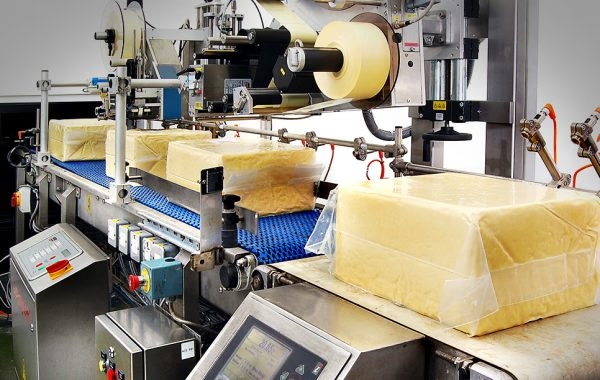
Uniformity mode helps operations compare sample sets and calculate ratios that support product consistency or sorting accuracy. It is useful when the weighing process must prove how consistent the output is, not just record a single weight.
Sample-set comparisons and ratio calculations
Proof of accuracy for high-value sorting systems
Quality checks where consistency must be documented
Automated calculations instead of paper math
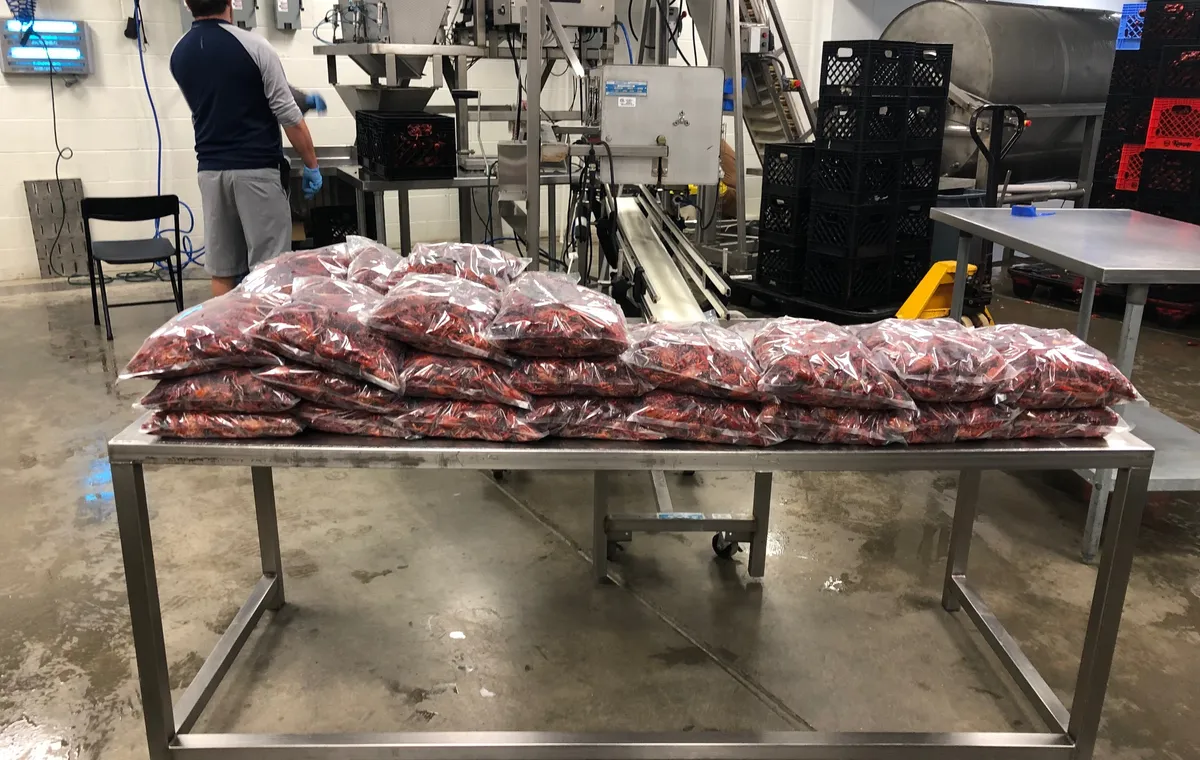
Standard Weighing Records
Bulk Weighing Mode
Bulk mode supports standard weighing tasks where the operation needs clean data, labels, or records for counting, sorting, portioning, batching support, or material handling. It keeps the workflow practical while reducing manual entry.
Counting, portioning, sorting, or weighing tasks
Operator, work order, product, vendor, or lot tracking
Net weight, component data, and durable label output
Database records for quality or production review
When Quality Records Depend Too Much on Paper, Memory, or Manual Math
Manual weighing can create real risk when the result must support safety, yield, customer confidence, or production decisions. A handwritten log may capture a number, but it often misses the context around that number.
If operators are calculating ratios by hand, writing component weights on paper, re-keying vendor or work order data, or trying to prove sorting accuracy after the fact, the process may need a better way to capture the record as the work happens.
Michelli starts by understanding which data matters, how operators currently capture it, where errors enter the process, and what reports or labels are needed downstream. From there, the right answer may be a simple bench scale station, a scanner-and-printer workflow, or a more connected quality data system.
Warning Signs
Common Signs to Look For
Handwritten Logs
Quality records are written by hand, difficult to read, or entered later from paper.
Manual Calculations
Operators calculate yield, net weight, component totals, or uniformity ratios on paper.
Missing Context
Weights are not tied cleanly to operator, vendor, species, lot, SKU, badge, or work order data.
Proof Requests
Customers or managers ask how sorting accuracy or product consistency is being justified.
Critical Blending
Gas, chemical, or component blending depends on judgment filling and manual recording.
Label Gaps
Labels do not show the component weights, net weights, or quality data needed later.
Where Quality Control & Assurance Systems Fit
These systems are most useful when the scale reading is only part of the story. The operation also needs context, calculations, labels, or proof that the weighing process was performed correctly.
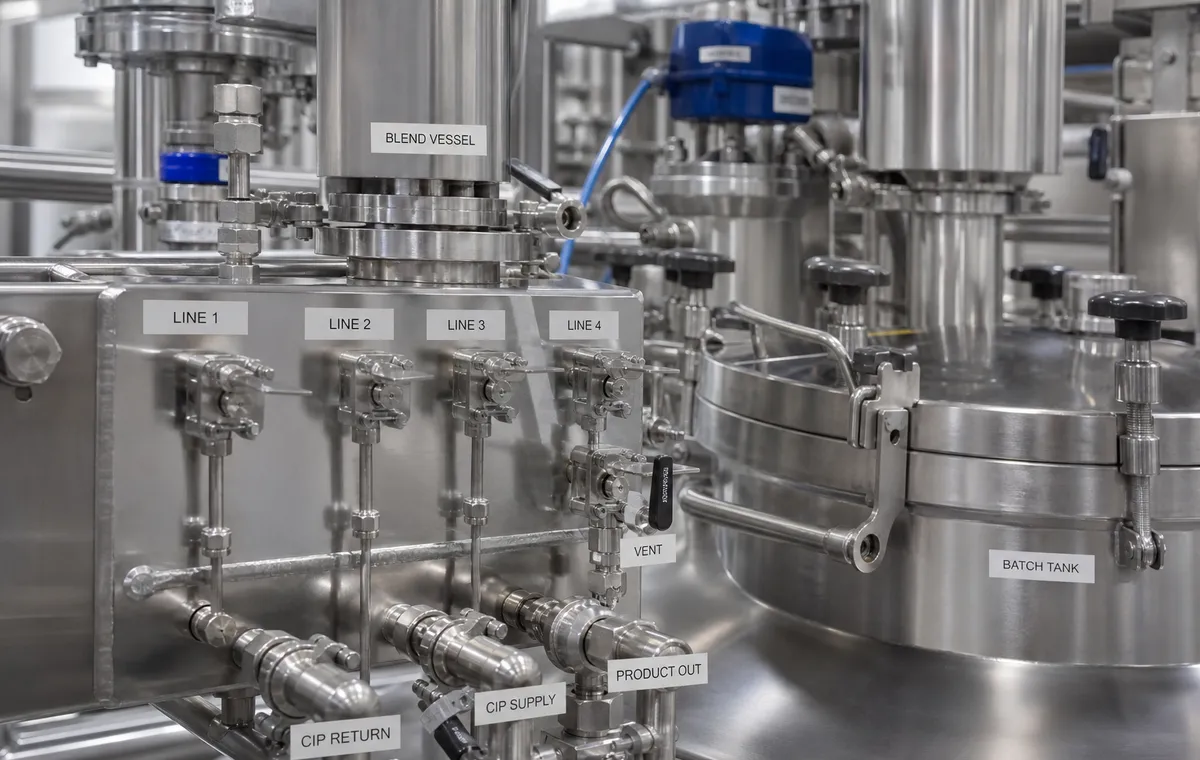
Manual Blending & Component Weighing
Capture net weights, component weights, and tolerance results for quality-critical blending where missing or inaccurate records create safety or customer risk.
Gas or chemical components
Min/max tolerance records
Durable label output
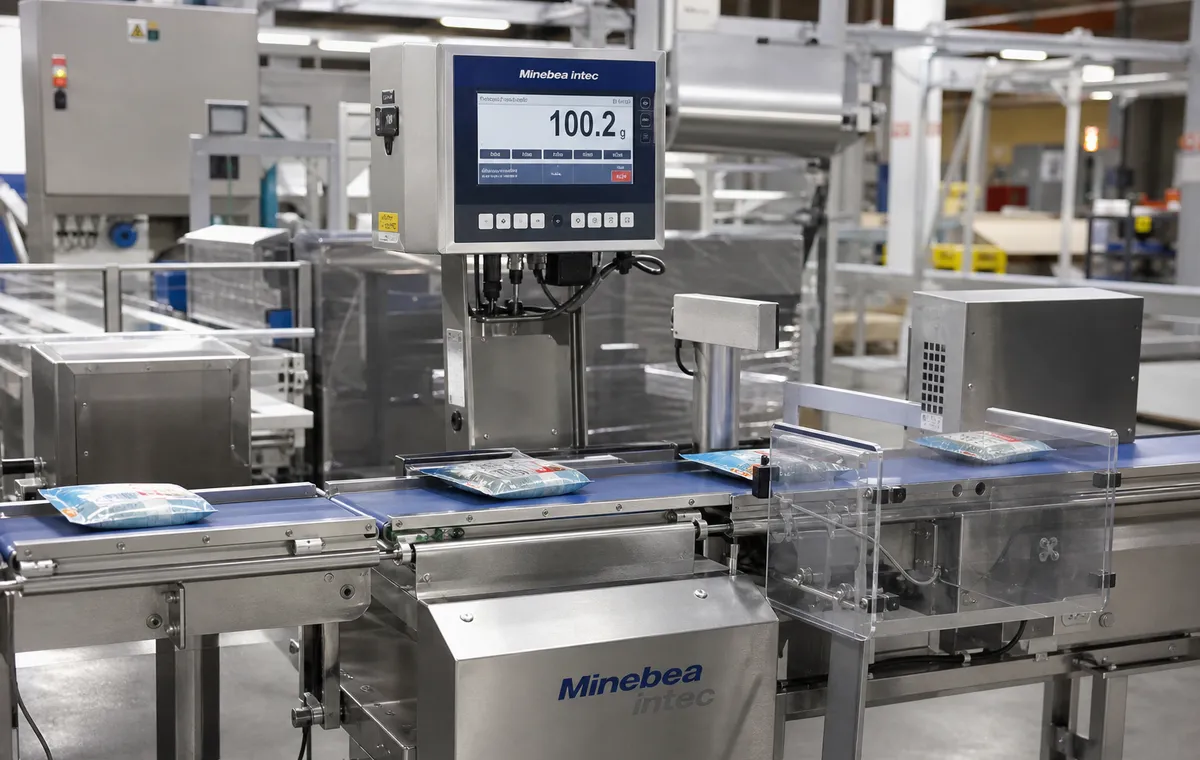
Uniformity & Sample Testing
Use scale data to calculate sample ratios and support accuracy claims for sorting, grading, or quality processes where consistency must be proven.
Sample-set comparisons
Ratio calculations
Proof of sorting performance
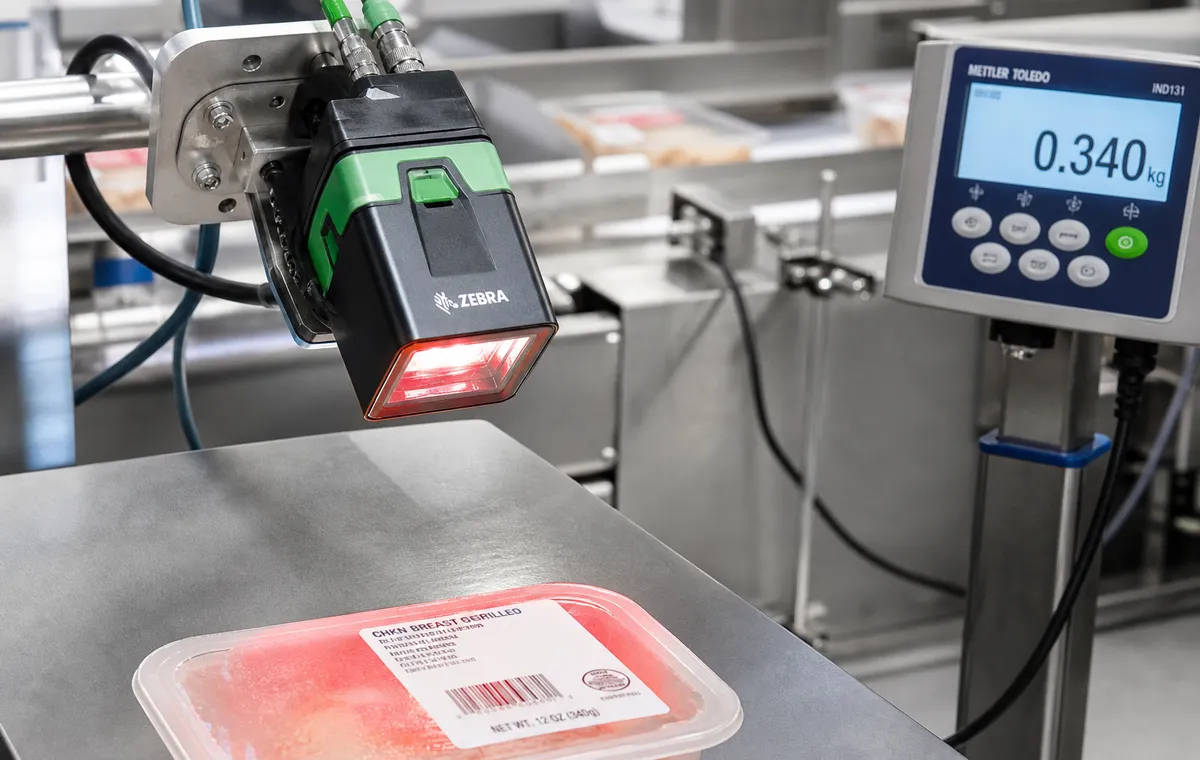
Yield, Vendor & Lot Tracking
Tie weights to source data so teams can review yield, supplier performance, species or product details, and production outcomes without rebuilding the record later.
Vendor or supplier tracking
Species, lot, or product data
Yield calculations
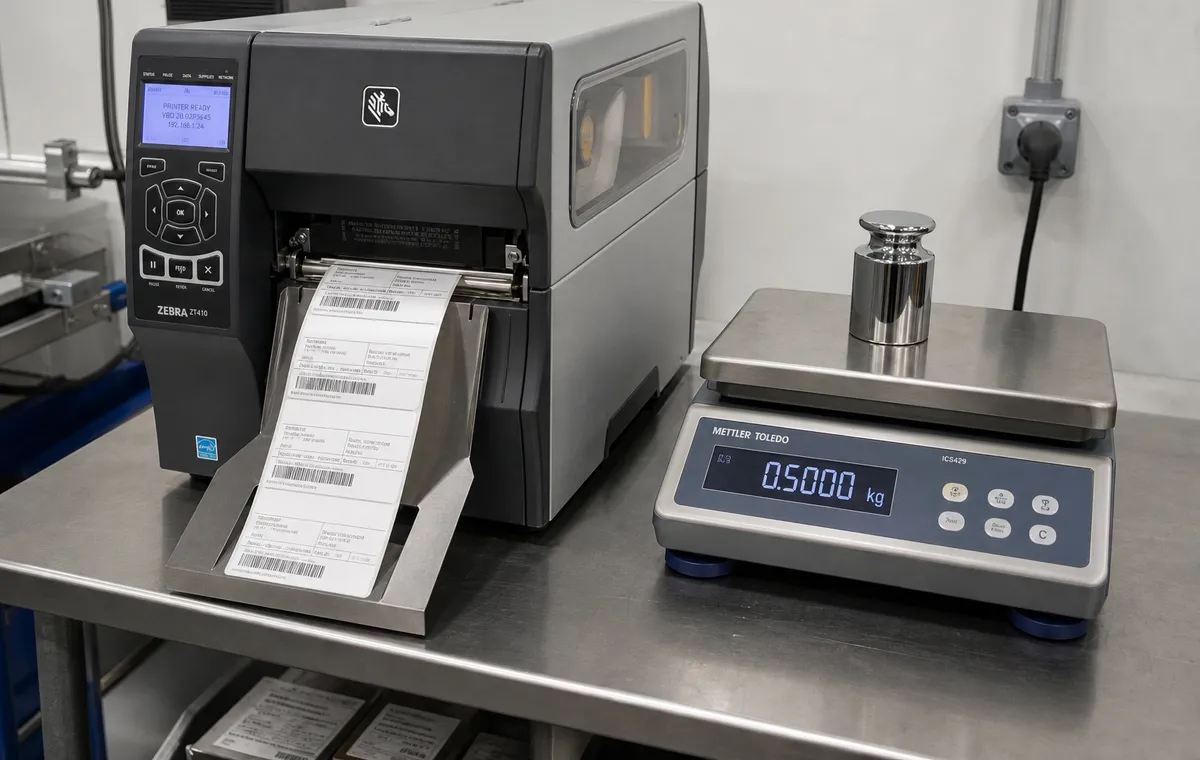
Labels, Reports & Quality Records
Create the label, database entry, or report while the weighing event is happening, reducing the risk of missing data, re-keying errors, or incomplete records.
Permanent poly labels
Operator and work order records
Quality and production reports
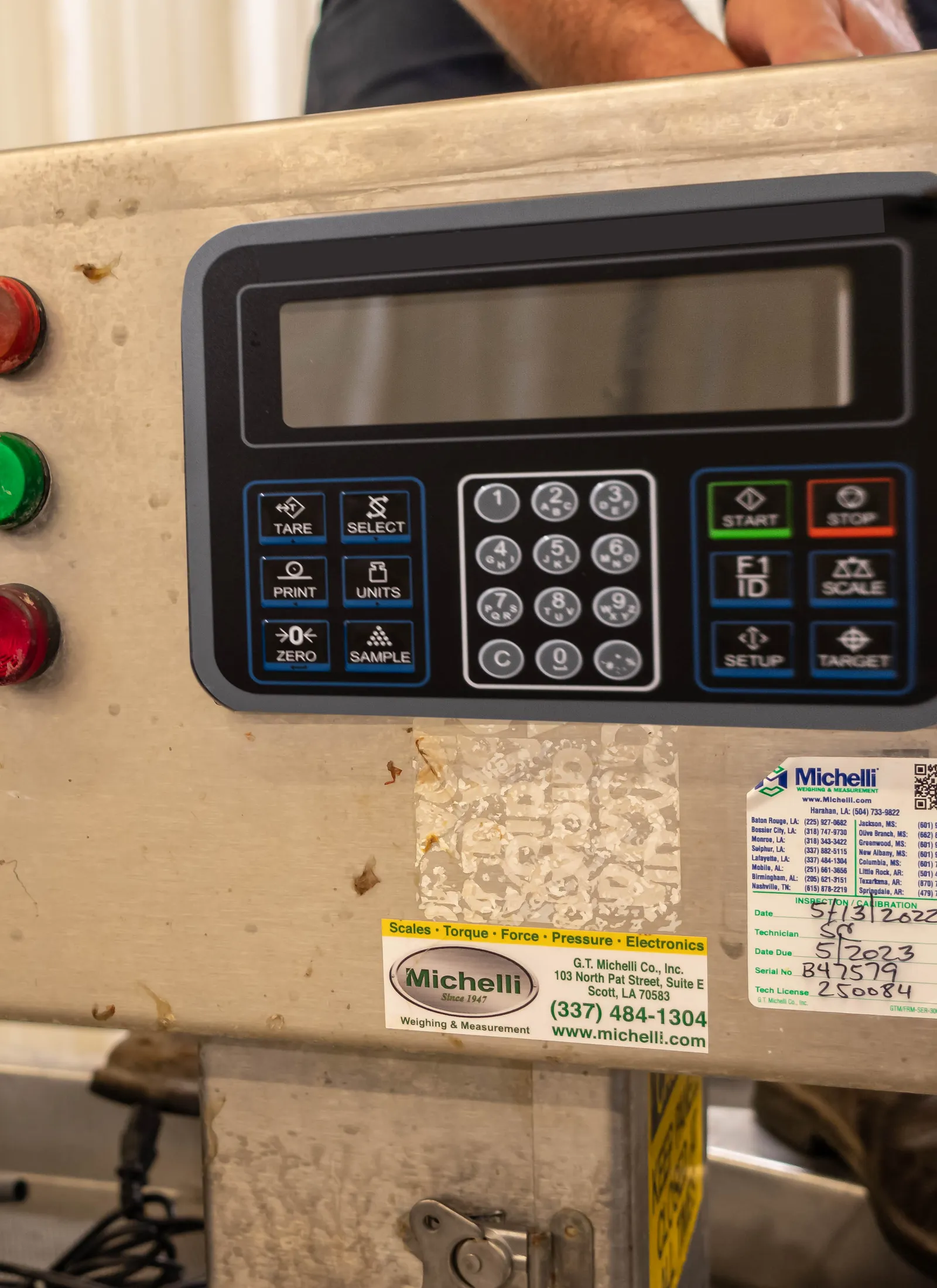
SYSTEM COMPONENTS
What Goes Into a Quality Control & Assurance System?
A strong setup captures the weight and the context around it, then produces the record the operation needs.
The right combination depends on what must be proven: component weight, sample uniformity, yield, operator productivity, vendor data, label content, or quality history. Michelli helps keep the system useful without adding unnecessary steps for operators.
Precision Bench Scale
Bench, platform, or floor scale hardware selected around capacity, readability, environment, and the quality-critical task.
Barcode & Badge Scanning
Scanners can capture operators, work orders, products, lots, vendors, badges, or other context before the weight is recorded.
Database Tracking
Records can support species, vendor, lot, yield, sample, work order, and quality history for review or reporting.
Uniformity & Yield Logic
Configured calculations can reduce manual math and support consistent ratio, yield, or tolerance decisions.
Label Printing
Permanent labels can show net weight, component weight, product data, or quality information when the record must travel with the item.
Reports & Records
Quality teams can use the captured data for audits, customer questions, production review, and process improvement.
BEYOND THE SCALE
Weight Data Becomes Quality Proof
A quality data system does more than display a number. It helps show what was weighed, who weighed it, which product or lot it belonged to, whether it met the target, and how that result supports a larger quality or yield decision.
That record can help teams reduce human error, answer customer questions, review vendor performance, document blending steps, support audits, and make better decisions from the work already happening at the scale.
What You Gain
Potential Business Value
Cleaner Records
Fewer illegible, incomplete, or re-keyed quality records
Automated Calculations
Automated calculations for yield, uniformity, and component weights
Better Traceability
Better traceability for products, vendors, operators, and work orders
More Useful Data
More useful data for quality, production, and customer conversations
Audit Readiness
Records that support audits, compliance, and customer proof requests
Process Improvement
Data that helps teams identify patterns, waste, and improvement areas
Why Work With Michelli on Quality Control & Assurance Systems?
Quality control and assurance systems need to be accurate, practical, and maintainable. Michelli helps customers choose the right setup for the workflow and supports it after the system is installed.
Application-First Planning
Michelli starts with the weighing task, the record needed, the operator workflow, and the downstream use of the data.
Practical Configuration
Systems can include scales, scanners, printers, databases, indicators, or custom logic based on the actual requirement.
Useful Records
The focus is on records that help quality, production, customer service, or management make better decisions.
Service After Install
Calibration, troubleshooting, maintenance, and long-term support help keep the quality process dependable over time.
Local Service. Nationwide Support.
Michelli supports customers through a service network built for demanding weighing and measurement environments.
Calibration Support
Michelli is ISO 9001 Registered with ISO 17025 Accredited calibration laboratories, with calibration support available based on equipment and scope.
QUALITY CONTROL & ASSURANCE SYSTEMS
Need Better Records From a Quality-Critical Weighing Process?
Loop Michelli in early. Tell us what is being weighed, what data needs to be captured, which calculations or labels are required, and how the record is used after the weighing step.
Helpful details to share:
- Product or material type
- Current record method
- Labels or reports needed
- Scanner or badge needs
- Uniformity or yield calculations
- Database or export needs
Request a Solution Review
Tell us about your quality control or assurance workflow. A Michelli specialist can help identify the right next step.