
Bulk Filling Systems
Weigh high-volume material transfers more consistently when a small error can become a costly inventory, billing, or production problem. Michelli helps plan bulk draft and continuous weighing systems around the material, transfer method, controls, records, and support needs.
Protect High-Value Transfers Before Small Errors Add Up
Bulk filling and continuous weighing applications are different from routine scale checks. Material may be moving between barges, rail cars, large containers, storage bins, hoppers, or processing systems where there may be no simple way to rerun the product after the transfer is complete.
Michelli helps customers review the transfer process first: what is moving, how it is controlled, how zero and full weights are verified, what records are required, and where the data needs to go. Then the system can be matched to the risk of the application instead of treated like a generic hopper scale.
- High-Value Transfers
- Continuous or Semi-Automatic Flow
- Audit-Ready Records
- Serviceable System Design
Bulk Transfer Control
Control high-volume material movement with weighing, indicators, gates, pumps, valves, or operator prompts matched to the process.
Zero & Full Weight Records
Support mandatory zero and full weight capture when each discharge needs to be verified, printed, or reviewed.
Diverter or Surge Bin Logic
Use the right system path to keep material moving while allowing the scale to record reliable weights at the right moment.
Reduced Transfer Risk
Improve throughput, reduce manual restarts, and protect high-dollar receiving or shipping transactions from small percentage errors.
Diverter Systems vs. Surge Bin Systems
Both approaches can support continuous or semi-automatic bulk material transfer. The right path depends on whether material needs to keep flowing while the scale records, how the bins are arranged, and how the operation verifies each discharge.
Continuous Flow Path
Diverter Systems
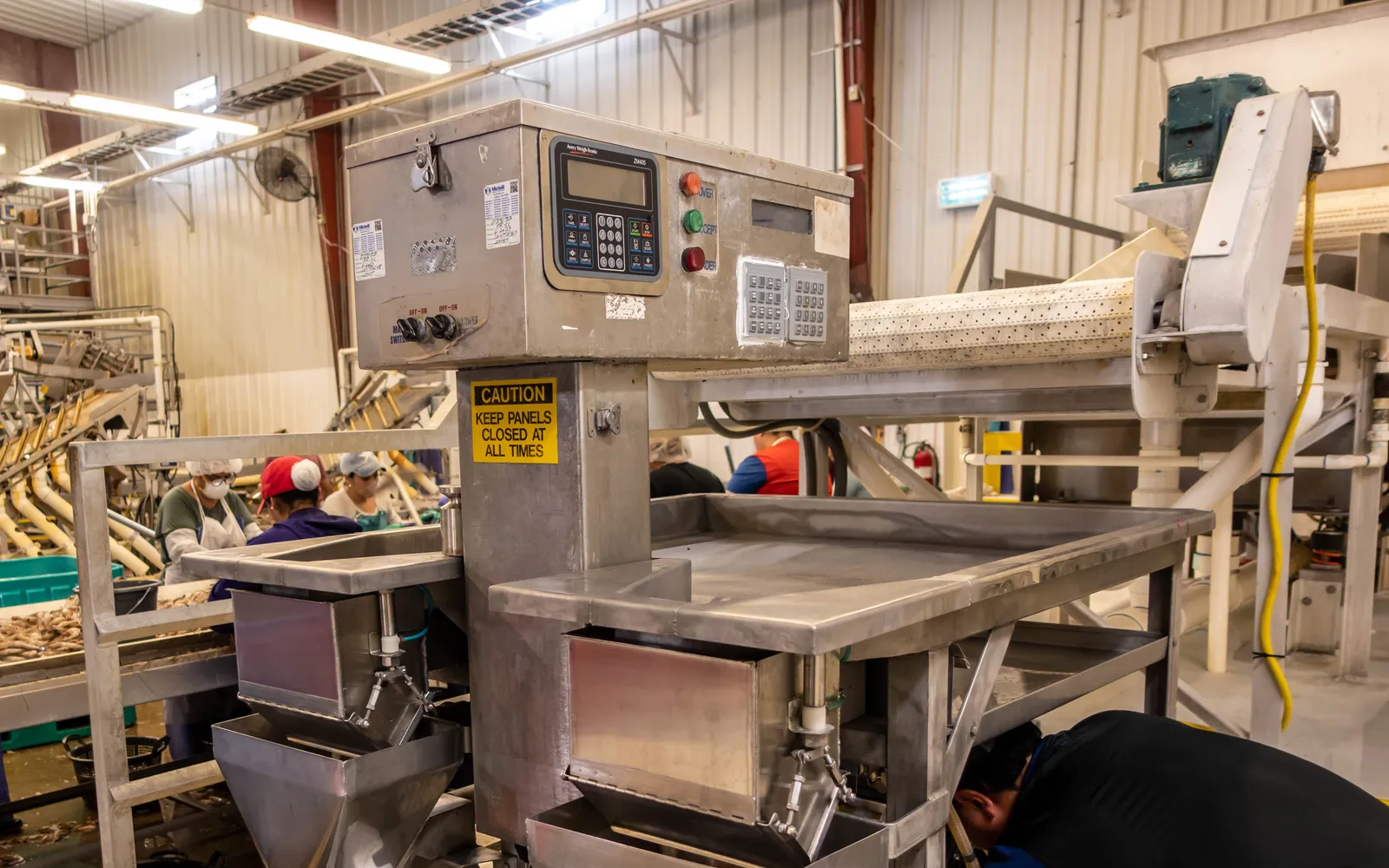
Diverter systems use two bins or paths so one can fill while the other records and discharges. This approach can help keep material moving in high-volume applications where stopping the process for every weighing event would create bottlenecks.
Useful when continuous movement is important to throughput
Supports alternating fill, weigh, discharge sequences
Can reduce manual restarts and transfer delays
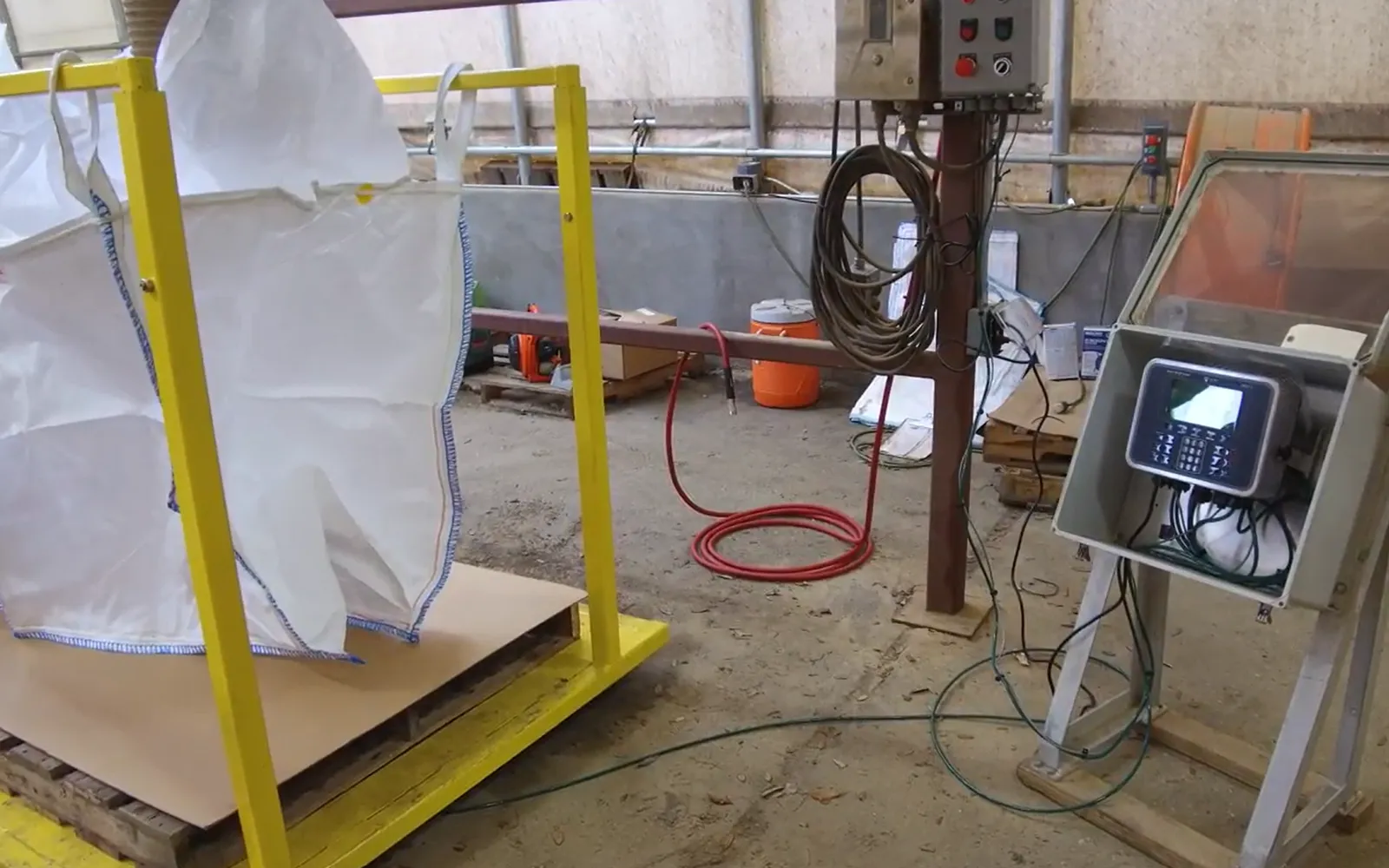
Controlled Holding Path
Surge Bin Systems
Surge bin systems use a temporary holding bin to block or stage material while the scale records. This can be a practical fit when the process needs a controlled pause to verify weight before the next movement or discharge.
Supports zero and full weight verification
Useful for controlled receiving, discharge, and loadout events
Can help document high-value material transfers
When Bulk Transfers Leave No Room for Guesswork
A one percent error may not sound like much until the material is moving by rail car, barge, truckload, silo, or large container. In bulk transfer applications, the cost of a small weighing gap can show up as inventory drift, billing questions, third-party audit issues, or lost production time.
Michelli helps identify whether the operation needs better transfer controls, mandatory weight records, improved operator prompts, or a more serviceable bulk weighing system before the process creates a larger problem.
Warning Signs
Common Signs to Look For
High-Value Transfers
Small percentage errors in receiving, shipping, or discharge can have a major financial impact.
Manual Belt or Gate Stops
Operators stop belts, gates, pumps, or flow manually to judge levels or complete a transfer.
Audit or Inspector Requirements
Third-party inspectors, customer requirements, or internal controls require better zero and full weight documentation.
Rail, Barge, or Container Loading
Large transfers need reliable target weights, records, and throughput without repeated manual restarts.
No Clear Zero Verification
The process does not reliably verify that the scale is at zero between discharges or transfer events.
Receiving & Discharge Bottlenecks
Material movement slows because operators have to pause, restart, record, or reconcile transfers manually.
Where Bulk Filling Systems Fit
Bulk filling opportunities appear where material moves in large quantities and the operation needs better transaction accuracy, transfer visibility, records, or throughput without stopping the process unnecessarily.

Rail, Barge & Terminal Transfers
Support large receiving or discharge operations where high-volume material movement needs reliable weights and documented transfer events.
Barge-to-rail or rail-to-storage transfer
Large container and terminal unloading
Third-party audit and transaction support
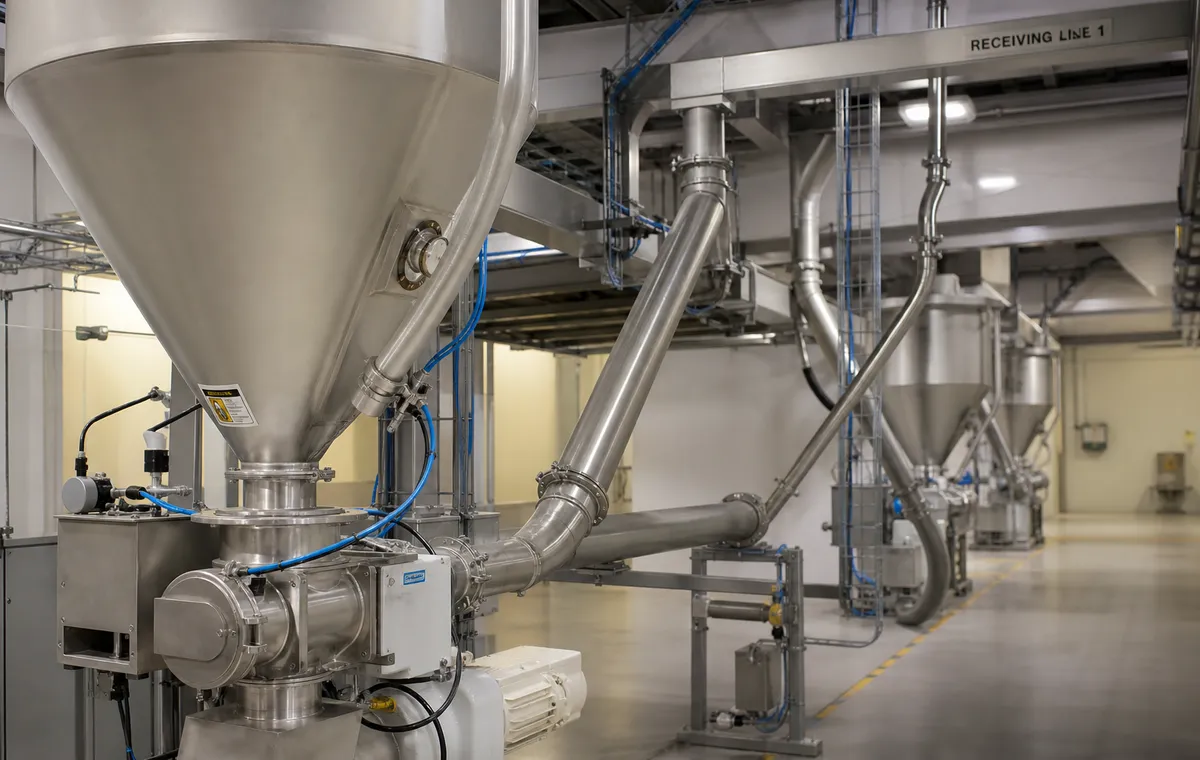
Food & Ingredient Receiving
Track bulk raw materials from receiving into storage or processing where inventory accuracy and downstream batching consistency matter.
Sugar, coffee, grain, and ingredient transfer
Storage and processing visibility
Receiving-to-production records
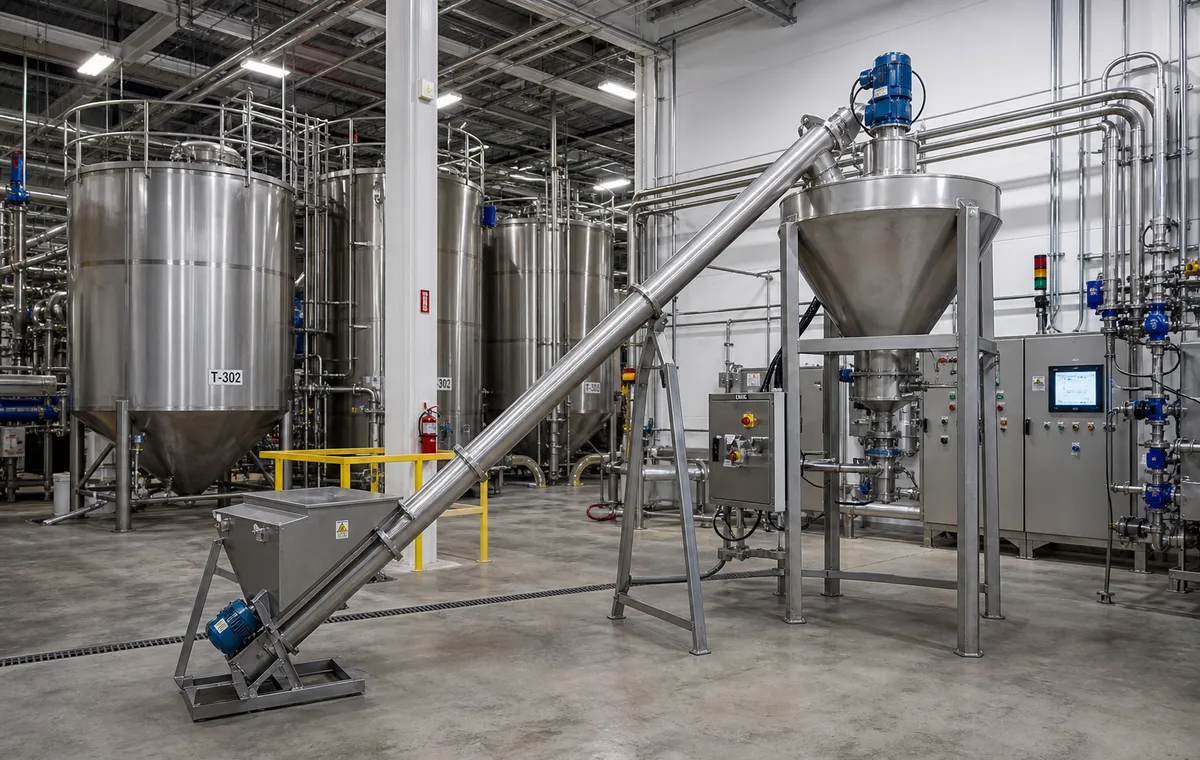
Chemical & Industrial Materials
Manage costly liquids, powders, pellets, or bulk materials where inaccurate transfer weight can affect inventory, production, or billing.
High-dollar material movement
Pump, valve, gate, or conveyor controls
Documentation for receiving or shipping
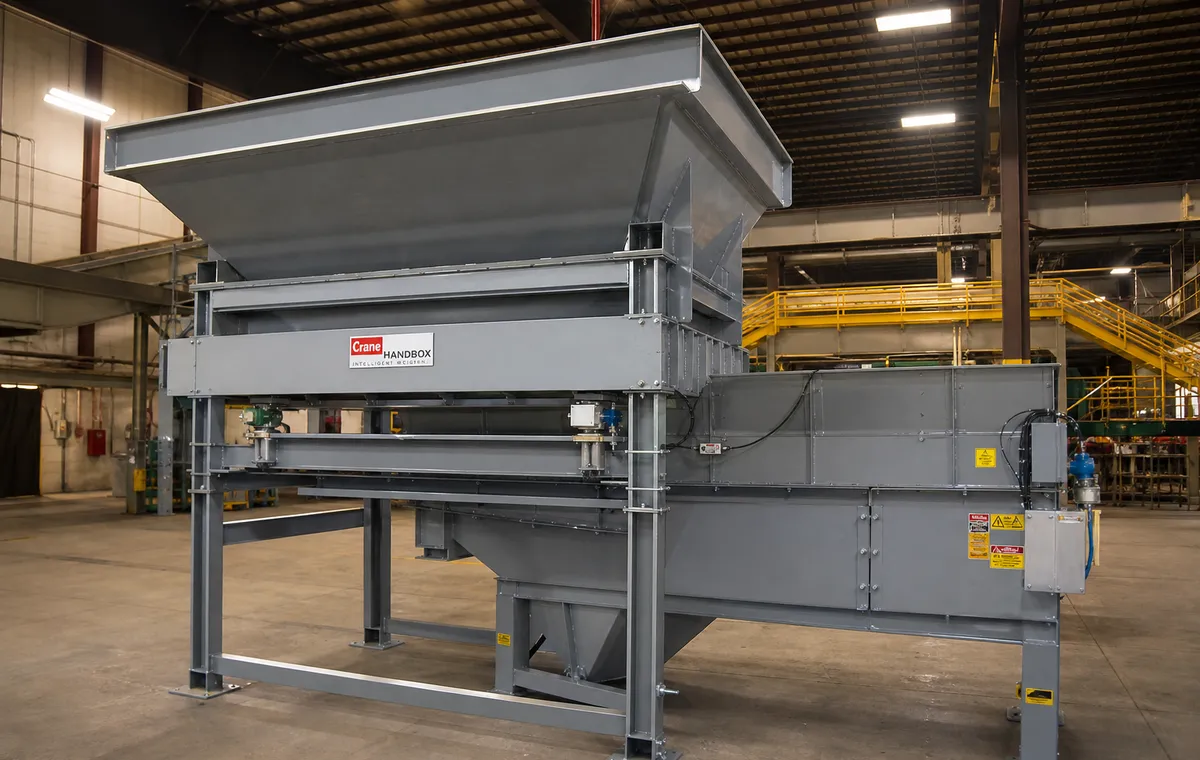
Hopper, Bin & Silo Systems
Use hopper scales, surge bins, diverters, and controls to weigh material during staged discharge or continuous transfer processes.
Bulk hopper scale applications
Surge bin and diverter workflows
Remote displays and prompts
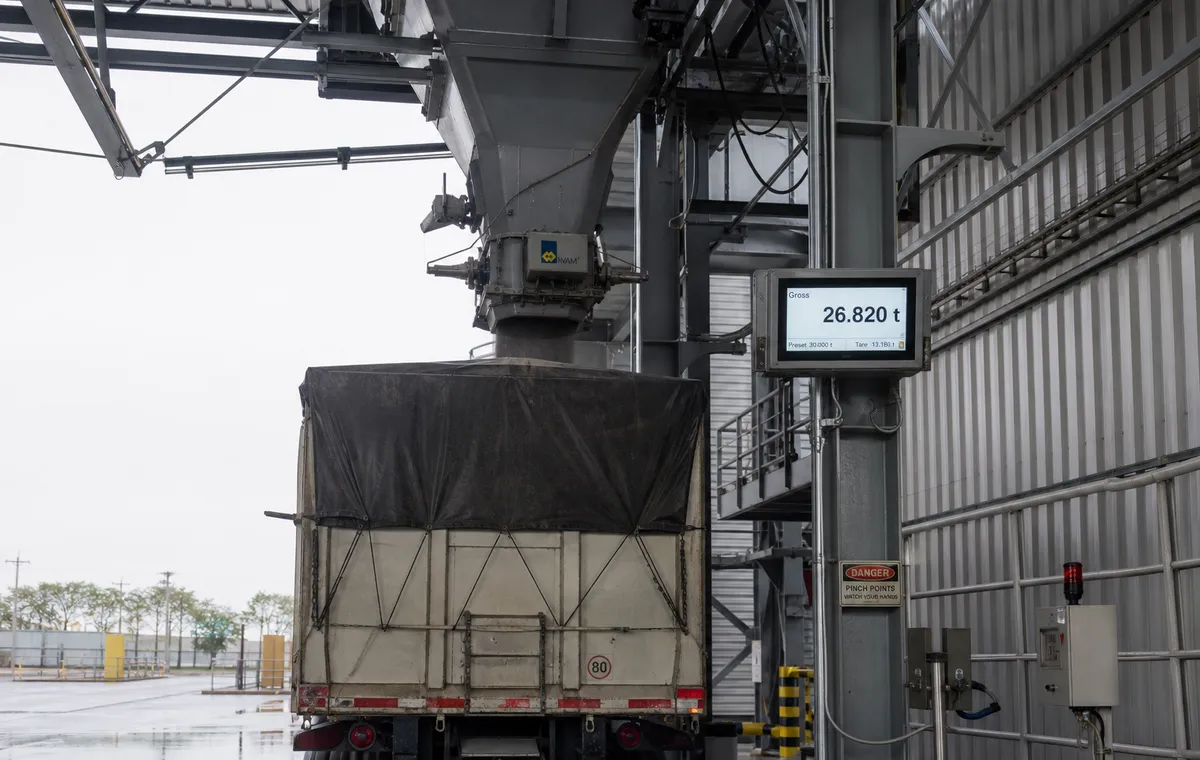
Shipping & Loadout Records
Create better records for material moving out of a facility when manual logs or estimates are not enough.
Loadout weight documentation
Operator prompts and printouts
Customer or internal reporting
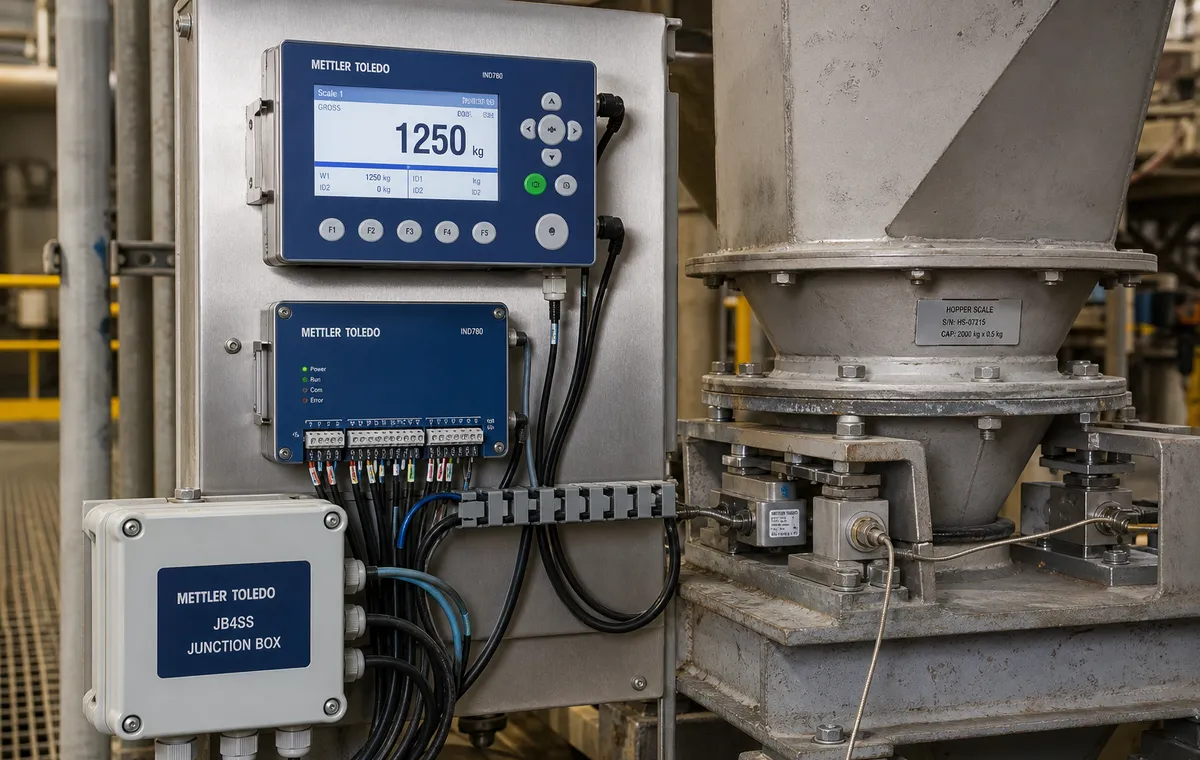
Retrofit Opportunities
Evaluate whether indicators, controls, gates, valves, pumps, or data tools can improve an existing transfer system before replacing the entire setup.
Indicator or controller upgrades
Automated doors, valves, or pump controls
Data capture and reporting additions
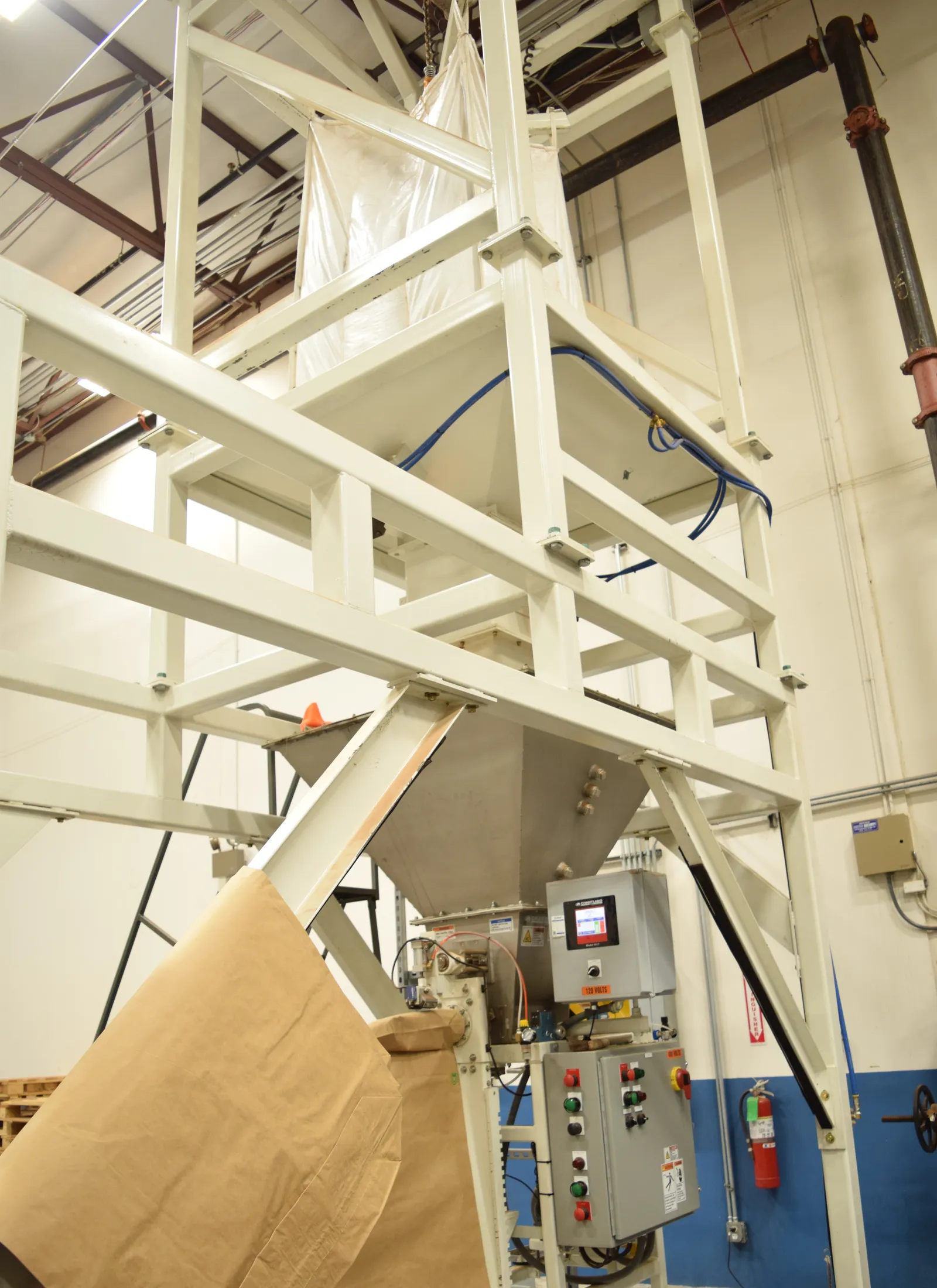
SYSTEM COMPONENTS
What Goes Into a Bulk Filling System?
Bulk filling systems need the scale, material handling equipment, controls, records, and support plan to work together.
A strong bulk filling setup is built around how material flows, how weight is verified, what controls start and stop movement, and what records are required for each transfer. Michelli helps match the right combination to the application.
Scale Indicators & Controllers
Indicators, PLCs, or PC-based controls that manage target weights, prompts, outputs, and transfer records.
Bulk Hopper Scales
Hopper scales, weigh vessels, load cells, or tank weighing hardware configured for the material and transfer environment.
Surge Bins or Diverters
Mechanical paths that stage, divert, or hold material so the system can weigh without creating unnecessary downtime.
Doors, Valves, Gates & Pumps
Automated hopper doors, air valves, gates, augers, pumps, or conveyors controlled by the weighing system.
Remote Displays & Prompts
Operator walk-through prompts, remote displays, alarms, and status indicators that help the team run the transfer consistently.
Printing, Records & Integration
Zero/full weight printouts, transfer records, databases, reports, or PLC/plant system connections where needed.
BEYOND THE SCALE
Bulk Transfer Data Is Inventory, Revenue & Audit Data
When bulk transfer weights are captured clearly, teams can protect high-dollar transactions, verify receiving and shipping, reduce manual reconciliation, and make better decisions about inventory, production, and material movement.
That data feeds into operator records, management reporting, third-party audits, and the inventory systems that production depends on every day.
What You Gain
Potential Business Value
Financial Protection
Reduce financial exposure from small percentage errors in high-volume transfers
Improved Throughput
Improve throughput by reducing manual stops, restarts, and reconciliation delays
Audit-Ready Records
Support audit-ready records with zero and full weight documentation where required
Transfer Visibility
Give production, shipping, and receiving teams clearer data on what moved and when
Inventory Accuracy
Reduce inventory drift caused by unverified or manually estimated transfer weights
Retrofit Options
Extend or improve existing transfer systems with controls and data tools before replacing the full setup
Why Work With Michelli on Bulk Filling Systems?
Bulk filling systems can affect revenue, inventory, production, and customer records. Michelli brings application experience, equipment knowledge, integration thinking, and long-term service support so the system is not treated as a one-time equipment install.
Application-First Review
Michelli starts with the process, material, people, controls, data needs, and risk points before recommending a system path.
Retrofit & Integration Thinking
Where possible, existing scales, controls, indicators, or machinery can be evaluated before a full replacement is assumed.
Local Service, Nationwide Support
Michelli brings field service, calibration support, troubleshooting, and long-term support resources after the system is installed.
Practical System Design
The goal is a system operators can use, maintenance teams can support, and managers can trust for real decisions.
Records & Compliance Support
Systems can be designed to support zero and full weight documentation, operator printouts, and audit-ready records where required.
Calibration & Verification
ISO 9001 Registered with ISO 17025 Accredited calibration laboratories, with calibration support available for bulk weighing applications.
BULK FILLING SYSTEMS
Need Better Control Over Bulk Material Transfers?
Loop Michelli in early. Tell us what material is moving, how it is transferred, what records are required, and where the current process creates risk.
Helpful details to share:
- Material type
- Transfer method
- Target weights
- Throughput requirements
- Record requirements
- PLC or reporting needs
Request a Solution Review
Tell us about your application. A Michelli specialist can help identify the right next step.