
Belt Scale Systems
Measure material as it moves across a conveyor so production teams can see real-time throughput, totalized weight, inventory movement, and process performance without stopping the line.
See What Is Moving Before the Numbers Drift
Bulk material can move for hours before anyone knows whether production is ahead, behind, over target, or losing material. If throughput is estimated from loader counts, belt speed, manual logs, or stockpile guesses, the operation may not see problems until inventory, billing, or production reports no longer match.
Michelli helps customers evaluate conveyor weighing applications around the actual material, belt conditions, speed measurement, data needs, operating environment, and support requirements. The goal is a belt scale system that is accurate enough for the job, serviceable in the field, and useful to the people running the operation.
- Real-Time Tons Per Hour
- Totalized Production Tracking
- Inventory & Loadout Visibility
- Serviceable System Design
Live Flow Rate
Track material flow in tons per hour so operators can see whether production is running at the expected rate.
Totalized Weight
Combine belt load and belt speed to totalize material movement over a shift, loadout, product run, or reporting period.
Shared Production Data
Send totals, rates, alarms, and production information to displays, reports, PLCs, SCADA, or management systems.
Bulk Material Visibility
Support aggregates, mining, ports, recycling, agriculture, and other bulk handling operations that need to know what moved.
Process Monitoring vs. Transactional Belt Scale Use
A belt scale can be used for operational visibility, production control, loadout reporting, or more demanding transactional applications. The right path depends on how the data will be used and how much accuracy, documentation, and service support the operation requires.
Operational Visibility
Process Monitoring
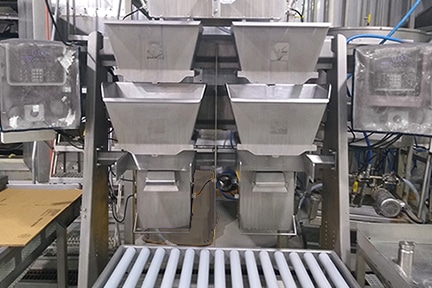
Process monitoring systems help operations understand production rates, material flow, stockpile movement, and equipment performance. This path is often used when the belt scale supports decisions, reporting, and process improvement rather than direct billing.
Real-time tons-per-hour monitoring for operators and supervisors
Production totals by shift, material, conveyor, or loadout period
Useful for bottleneck identification, inventory estimates, and process visibility
Higher-Accountability Use
Transactional & Loadout Support
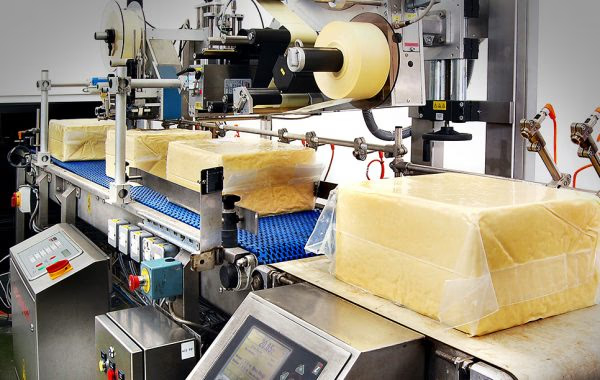
When conveyor weight data supports loadout, inventory reconciliation, billing, or legal-for-trade applications, the system needs tighter planning around the scale, idler configuration, calibration, documentation, and how results are reported.
Loadout and inventory management integration
Reporting support for production, shipping, receiving, and operational analysis
Legal-for-trade support may be available depending on equipment, application, and scope
When Material Flow Is Hard to See
Conveyors can move a lot of material without telling the business very much. If production teams are estimating tons per hour, reconciling stockpiles after the fact, or relying on manual logs, small gaps in visibility can turn into inventory drift, missed targets, billing questions, or loadout bottlenecks.
Michelli helps identify whether conveyor weighing can give the operation a better view of what is moving, how fast it is moving, and where that data should go next. The right answer may be a straightforward process monitoring setup, a more connected loadout system, or an upgrade to an existing belt scale that has become unreliable.
Warning Signs
Common Signs to Look For
Conveyors Without Tracking
Bulk material moves continuously but production totals are still estimated or captured after the fact.
Manual Production Logs
Operators record throughput manually, calculate totals offline, or rely on loader counts and estimates.
Inventory Discrepancies
Stockpile, loadout, receiving, or production totals do not line up with expected material movement.
Loadout Bottlenecks
Operators cannot see live rates or totals fast enough to manage truck, rail, barge, or plant loadout efficiently.
No Real-Time Visibility
Managers cannot see current tons per hour, totalized production, or conveyor performance from one place.
Outdated or Hard-to-Service Systems
Older integrators, sensors, or components create downtime, questionable totals, or support gaps.
Where Belt Scale Systems Fit
Belt scale opportunities appear anywhere bulk material moves by conveyor and the operation needs better production visibility, inventory accuracy, loadout reporting, or process control.
Aggregates & Mining
Monitor production rates, stockpile movement, crusher output, and material transfer in demanding quarry, mining, and aggregate environments.
Crusher and screen output tracking
Stockpile and transfer monitoring
Harsh environment system design
Ports, Rail & Loadout
Support high-volume transfers where loadout totals, throughput rates, and reporting visibility matter across trucks, rail cars, barges, or terminals.
Real-time loadout rate visibility
Totalized transfer reporting
Multi-conveyor visibility
Recycling & Waste Streams
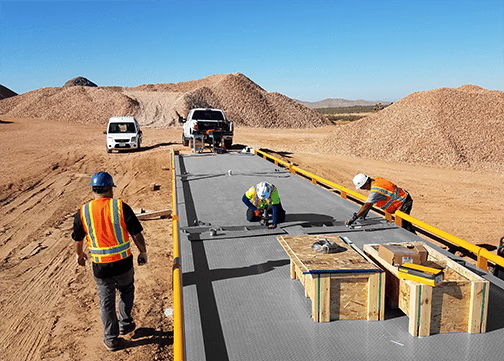
Track material flow through sorting, processing, transfer, and recovery lines where throughput and inventory data can be hard to capture manually.
Processing line flow tracking
Recovery and diversion reporting
Shift and period totals
Agriculture & Feed
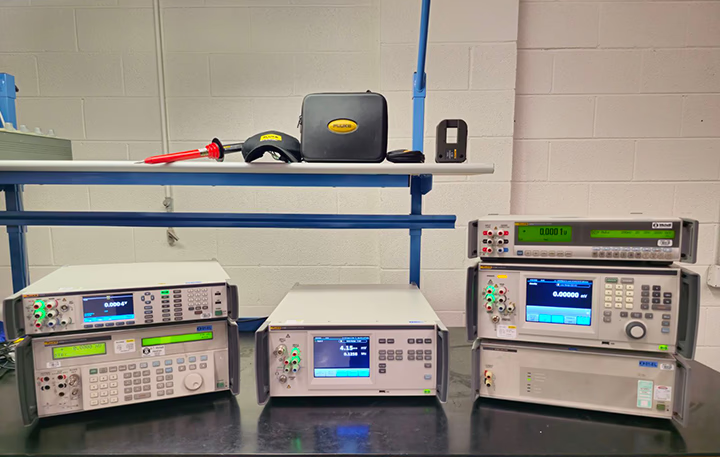
Measure grain, feed, ingredients, or other bulk agricultural products as they move through conveyors, storage, and production areas.
Grain and feed throughput tracking
Bin and storage transfer records
Production and receiving totals
Bulk Material Handling
Use conveyor weighing to improve visibility across raw material transfer, plant feed, finished material movement, and internal production reporting.
Plant feed rate monitoring
Material transfer totals
Internal inventory reconciliation
Plant Controls & Reporting
Feed rate and totalized weight data into PLCs, SCADA, reports, dashboards, inventory systems, or remote monitoring tools.
PLC and SCADA output
Remote monitoring integration
Production report data feeds
SYSTEM COMPONENTS
What Goes Into a Belt Scale System?
The scale hardware, speed signal, integrator, data path, and service plan all need to fit the conveyor and the job the data is expected to do.
A strong belt scale setup is built around the material, conveyor structure, expected accuracy, environment, calibration approach, and where the production data needs to go. Michelli helps match the system to the application instead of treating the belt scale as a simple bolt-on accessory.
Conveyor Scale Hardware
Idler frame, weigh bridge, load cells, and mounting approach selected for the conveyor, material, and environment.
Belt Speed Sensor
Speed input that allows the system to combine belt movement with belt load for accurate flow rate and total weight.
Integrator & Controller
Electronics that calculate tons per hour, totalized weight, alarms, outputs, and operator display values.
Displays & Remote Monitoring
Operator displays, remote monitoring, and management visibility for rates, totals, alarms, and system status.
PLC, SCADA & Reporting
Integration with plant controls, data logging, inventory management, loadout systems, or production reports.
Installation & Calibration Support
Setup, testing, troubleshooting, calibration support, and long-term service for harsh or high-use environments.
BEYOND THE SCALE
Belt Scale Data Is Production, Inventory & Throughput Data
When conveyor weight data is visible in real time, teams can manage production rates, reconcile inventory sooner, spot bottlenecks faster, and make better decisions about loadout, material movement, and process performance.
That data can support shift reporting, material balance reviews, loadout analysis, customer documentation, production improvement, and better decisions about where the operation is gaining or losing material.
What You Gain
Potential Business Value
Production Visibility
Track material movement and stockpile usage with real-time production visibility
Bottleneck Detection
Monitor real-time tons per hour and identify bottlenecks before they become larger delays
Reduced Material Loss
Reduce material loss, overproduction, and manual estimate errors across production areas
Better Reporting
Support reporting, loadout analysis, inventory management, and process automation
Inventory Accuracy
Reconcile stockpiles, transfers, and loadout totals with actual measured weight
Room to Grow
Systems designed to expand as reporting, integration, and throughput requirements increase
Why Work With Michelli on Belt Scale Systems?
Belt scales are more than conveyor components. Michelli brings weighing application experience, manufacturer partnerships, installation and integration support, and long-term service resources to help conveyor weighing systems stay useful after the initial install.
Application-First Review
We review the conveyor, material, accuracy needs, reporting expectations, and operating environment before recommending a path.
Manufacturer Partnerships
Michelli can help match the application with belt scale equipment from trusted manufacturers based on the job requirements.
Integration Support
Data logging, reporting, remote monitoring, PLC, SCADA, and inventory connections can be planned around the way the operation runs.
Long-Term Support
Service, calibration support, troubleshooting, and field support help protect conveyor weighing systems in harsh, high-volume environments.
Local Service. Nationwide Support.
Michelli supports customers through a service network built for demanding weighing and measurement environments.
Calibration Support
Michelli is ISO 9001 Registered with ISO 17025 Accredited calibration laboratories, with calibration support available based on equipment and scope.
BELT SCALE SYSTEMS
Need Better Visibility Into Conveyor Throughput?
Loop Michelli in early. Tell us what material is moving, how the conveyor is built, how the data will be used, and what reporting or integration requirements need to be supported.
Helpful details to share:
- Material type
- Conveyor size and speed
- Throughput range
- Reporting needs
- PLC or SCADA needs
- Legal-for-trade requirements
Request a Solution Review
Tell us about your conveyor weighing application. A Michelli specialist can help identify the right next step.