
Industrial Weighing Solutions Built Around Your Operation
From automated batching and truck scale workflows to check weighing, quality control, and data integration, Michelli helps turn weighing equipment into practical systems that fit your operation, improve visibility, and support accurate, traceable results.
The Right Solution Starts With the Application
Many weighing problems are not solved by buying another scale. The real need may be a better process for filling, batching, truck ticketing, material transfer, package verification, traceability, inventory control, or production reporting.
Michelli starts by understanding what is being weighed, how it moves, who operates the process, what data needs to be captured, and what happens if the system fails. Then we help match the right equipment, controls, integration, service, and calibration support to the job.
- ISO 17025 Accredited
- ISO 9001 Registered
- NIST Traceable
- Nationwide Service
Understand the Process
Review how material, products, trucks, parts, and data move through the operation before equipment is selected.
Match the Right System
Determine whether the application needs a simple setpoint, a retrofit, an integrated workflow, or a larger system.
Connect the Data
Plan how weight information should support labels, reports, PLCs, databases, inventory, ticketing, or quality records.
Support It Long-Term
Back the system with service, calibration support, troubleshooting, training, and maintenance.
Not Sure Which System You Need? Start With the Problem.
Customers often know the operational pain before they know the name of the solution. These common issues can point toward the right weighing system path.
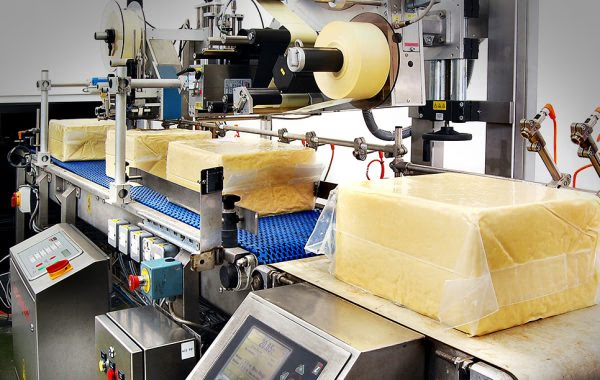
The issue may not be the scale. It may be the system around it.
Michelli helps identify whether the right path is a simple control point, a retrofit, an integrated workflow, a data capture system, or a larger application system.
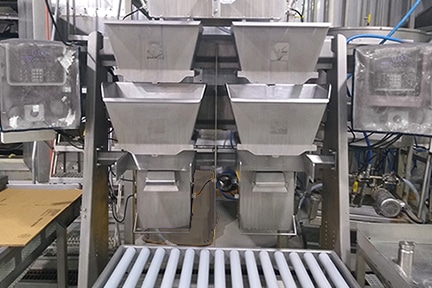
Inconsistent Filling or Batching
Operators are judging fills manually, batches vary by shift, or overfills and underfills are creating waste.
Likely path
Setpoint Batching & Batch Control
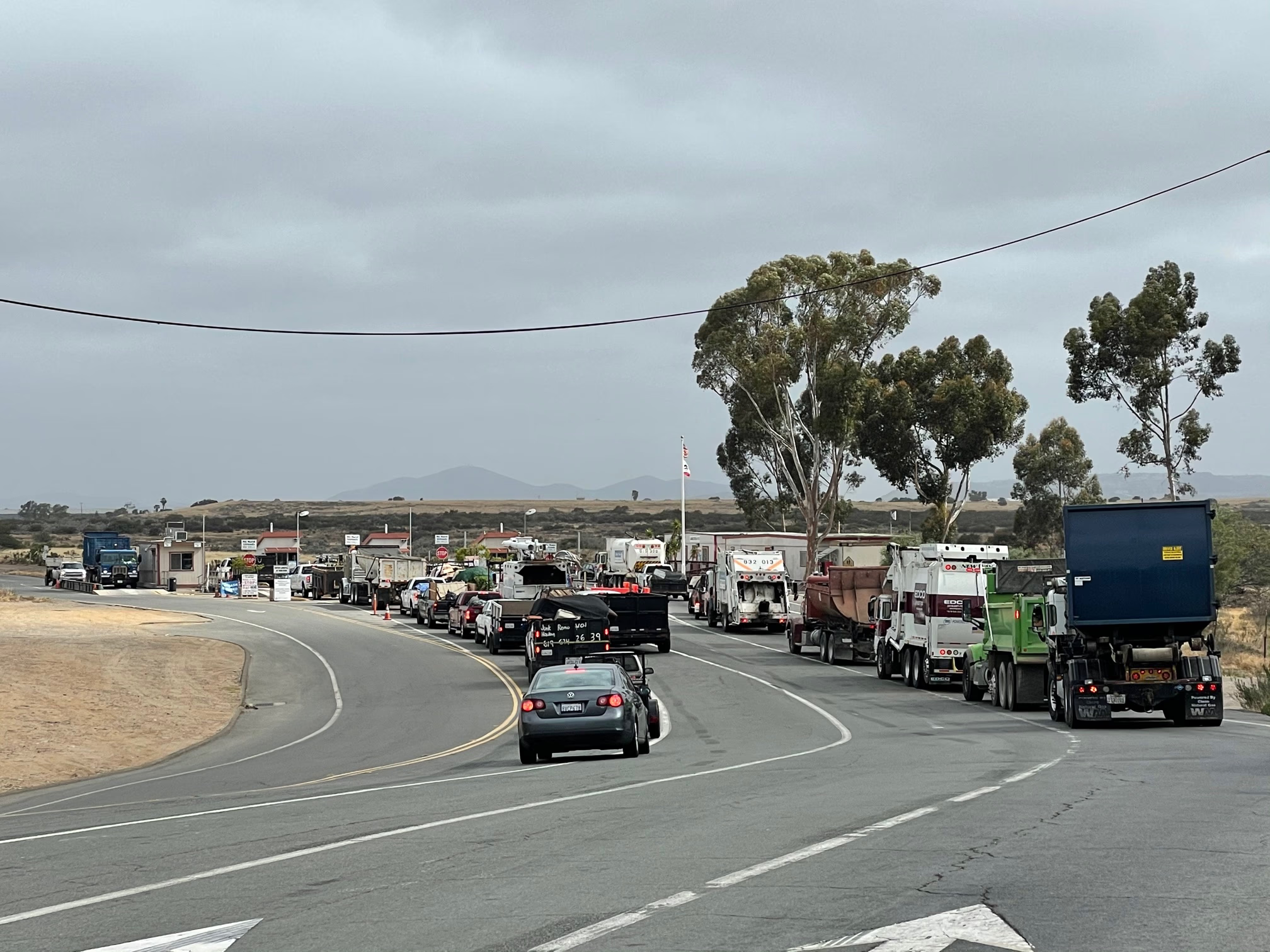
Truck Scale Bottlenecks
Drivers are waiting, tickets are manual, or scale house processing is slowing down the site.
Likely path
Truck In/Out or Unmanned Kiosk
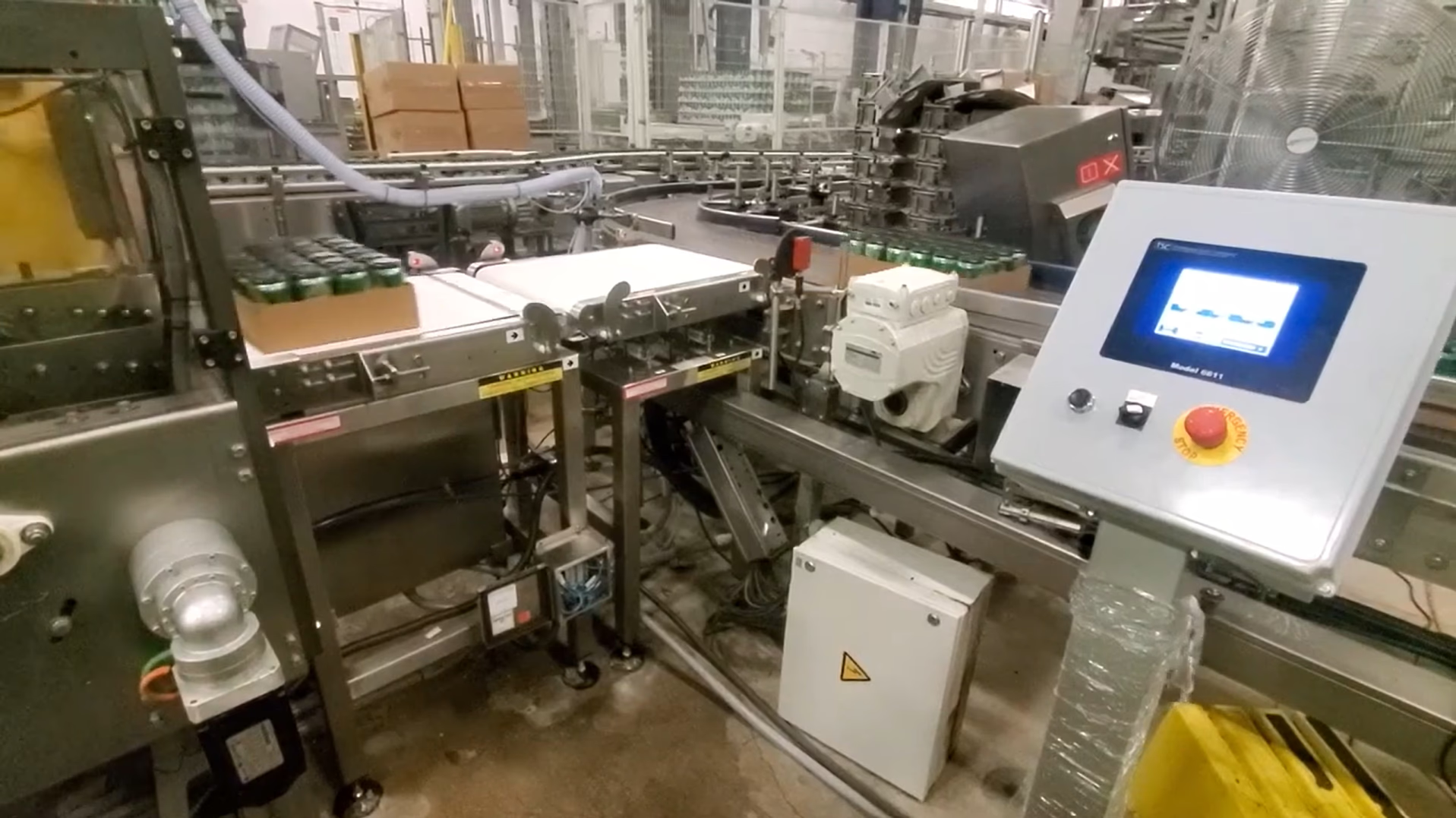
Missing Parts or Order Errors
Assemblies, kits, pallets, or shipments are missing items, or inventory is being over-pulled.
Likely path
Counting, Kitting, or Check Weighing
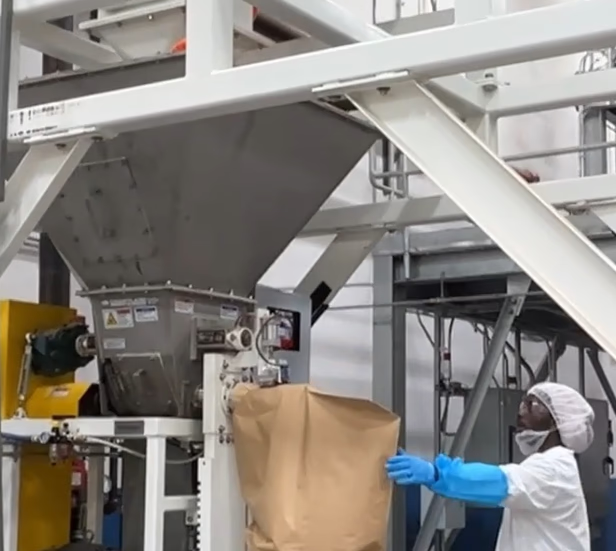
Inventory or Material Flow Errors
Material movement is estimated manually, conveyor totals are unclear, or bulk errors are costly to correct.
Likely path
Belt Scale or Bulk Draft Weighing

Disconnected Scale Data
Weights are being written down, typed in manually, or trapped at the scale instead of feeding reports, labels, PLCs, or business systems.
Likely path
Weigh & Data Quality or PLC & Network Integration
Explore Michelli Weighing Solutions
Each solution page is built around a real operational use case - not a generic catalog item. Select a system below to review common applications, components, integration needs, and support paths.
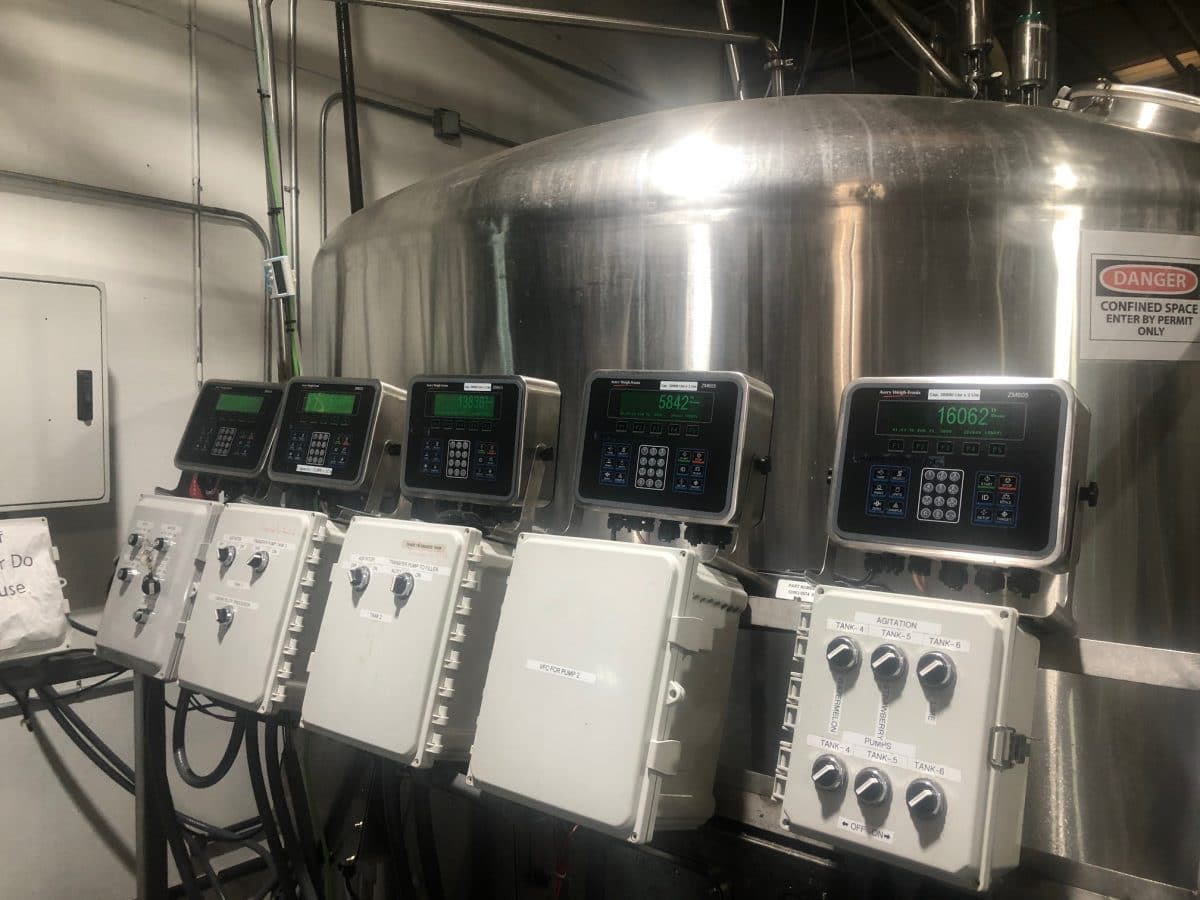
Setpoint Batching & Batch Control Systems
Improve repetitive filling, batching, blending, and dosing processes where consistency depends too heavily on operator judgment. These systems help operators hit target weights more reliably while reducing waste, rework, and shift-to-shift variation.
Target-weight controls for filling, batching, blending, or dosing
Fast/slow fill, alerts, relays, or PLC integration where appropriate
Batch data, barcode, label, and reporting options when tracking is needed
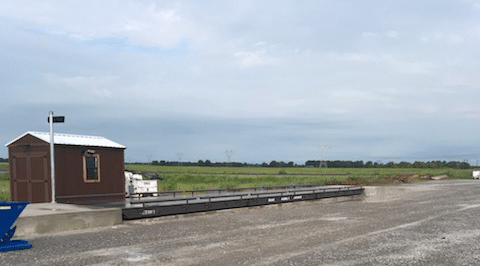
Truck Scale Transaction & Ticketing Systems
Manage truck scale traffic, ticketing, transaction data, and scale house workflows for vehicles entering and leaving a facility. A well-planned truck scale system helps protect billing accuracy, reduce bottlenecks, and keep daily transactions moving cleanly.
Local or networked truck scale data capture and ticketing
Options for positioning verification, scanners, cameras, and multi-office visibility
Designed to improve traffic flow, billing accuracy, and transaction records
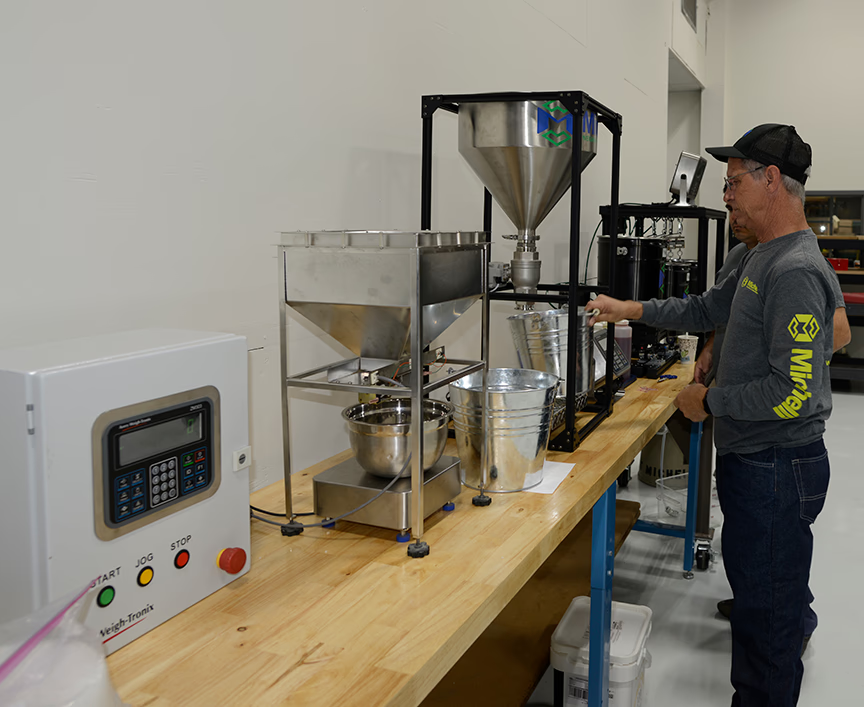
Bulk Draft & Continuous Weighing Systems
Measure high-volume material transfer accurately when stopping the process, reweighing the product, or correcting the error later is not practical. These systems help protect high-value transfers where even small errors can create major inventory, yield, or transaction issues.
Bulk hopper, diverter, or surge bin configurations for high-volume transfer
Zero/full weight records and operator prompts for controlled discharge
Built for material movement where errors are costly and hard to correct later
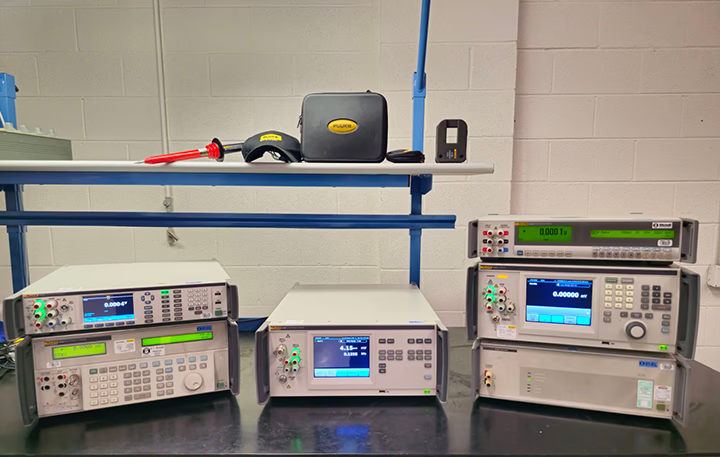
Weigh & Data Quality Systems
Turn everyday weighing into reliable production records, labels, traceability data, quality control checks, and management visibility. The right setup helps reduce paper logs and gives teams better proof of what happened, when it happened, and who handled it.
Scale data capture with scanners, labels, databases, and quality records
Support for operator, product, batch, vendor, yield, or traceability data
Helps reduce handwritten logs, manual calculations, and missing proof
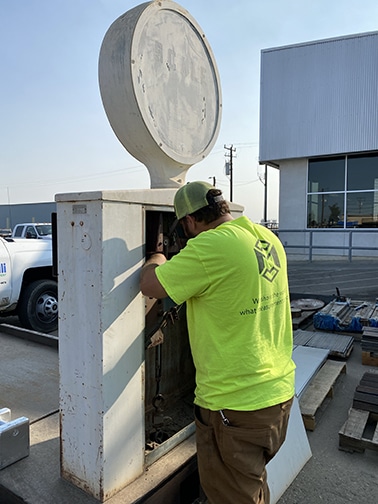
Precision Counting & Kitting Systems
Use scale-based counting and guided kitting workflows to reduce missing parts, over-pulled inventory, assembly errors, and fulfillment issues. These systems help operators follow a repeatable process without relying on slow manual counts or constant supervisor oversight.
High-precision counting for inventory, fulfillment, and production prep
Barcode-guided kitting workflows that help operators pull the right parts
Manifest, QC, and reporting options for better stockroom visibility
Check Weighing Systems
Verify product, pallet, package, or order accuracy before it leaves the line, warehouse, or facility. Check weighing gives teams a final control point to reduce giveaway, catch missing items, and support better quality records.
Static or inline verification for packages, pallets, orders, or finished goods
Over/accept/under feedback, reject logic, labels, or database records where needed
Helps reduce giveaway, missing items, shipment errors, and manual checks
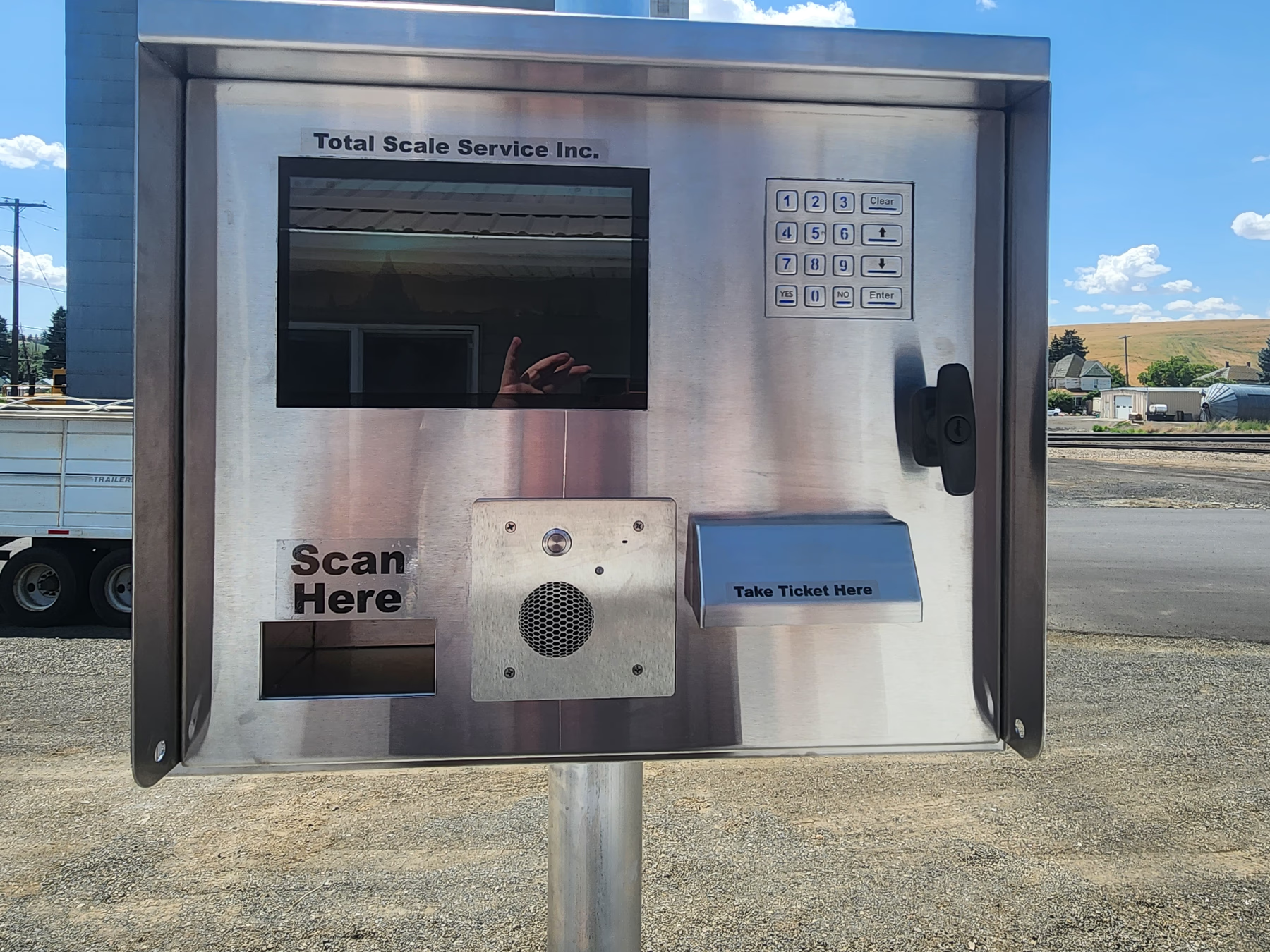
Unmanned Truck Scale Kiosk Systems
Automate truck weighing, driver identification, ticketing, traffic controls, and transaction data for self-service or after-hours scale operations. Kiosk systems help move trucks faster while reducing manual scale house work and improving transaction consistency.
Driver self-service using RFID, barcode, PIN, touchscreen, or related inputs
Automated weighments, tickets, gates, traffic lights, cameras, and intercom options
Supports after-hours operation, faster throughput, and cleaner transaction data
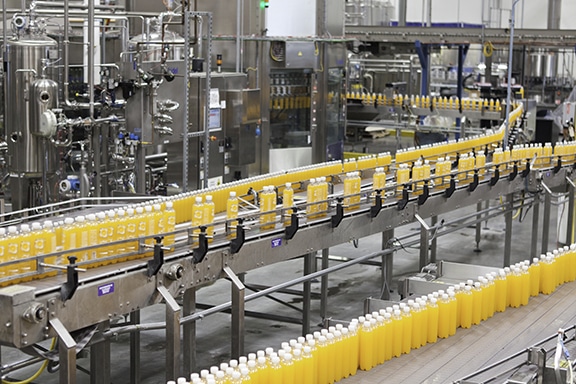
PLC & Network Integration Systems
Connect scale data to PLCs, PCs, SCADA, HMIs, labels, inventory tools, production software, and centralized control systems. These integrations help make weight a useful part of automation, process control, reporting, and production visibility.
Continuous weight signals connected to PLC, PC, HMI, SCADA, or production systems
Communication options may include Modbus, Ethernet/IP, DeviceNet, and related protocols
Helps weight data support automation, labels, inventory, shutdown logic, and visibility
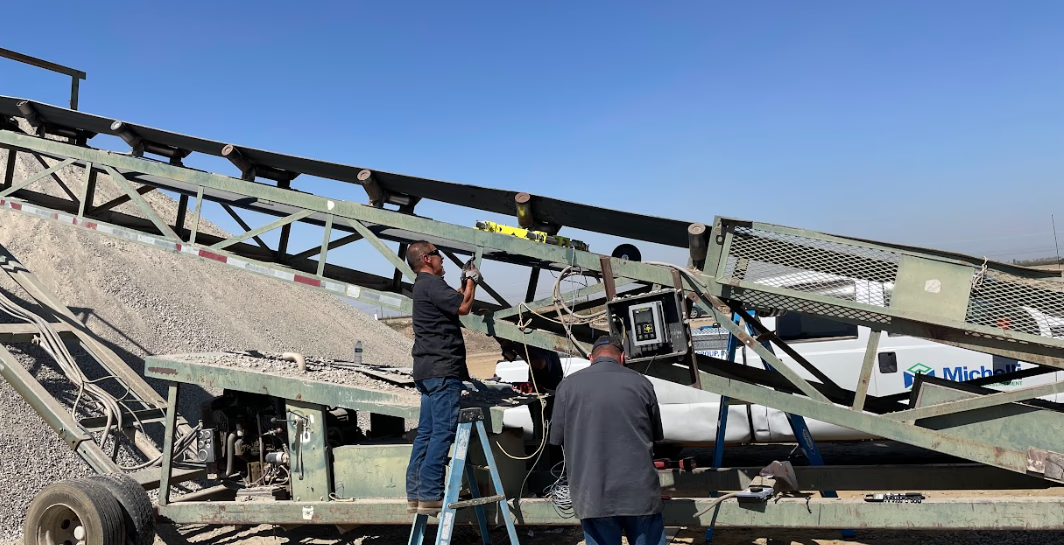
Belt Scale Systems
Measure material movement continuously on conveyors for throughput visibility, totalized production tracking, inventory control, and loadout reporting. Belt scales help operations understand real material flow instead of relying on estimates, manual logs, or delayed production numbers.
Conveyor scale hardware, speed sensors, and integrators for continuous weighing
Real-time tons-per-hour monitoring and totalized production tracking
Supports loadout, inventory, process control, reporting, and material flow visibility
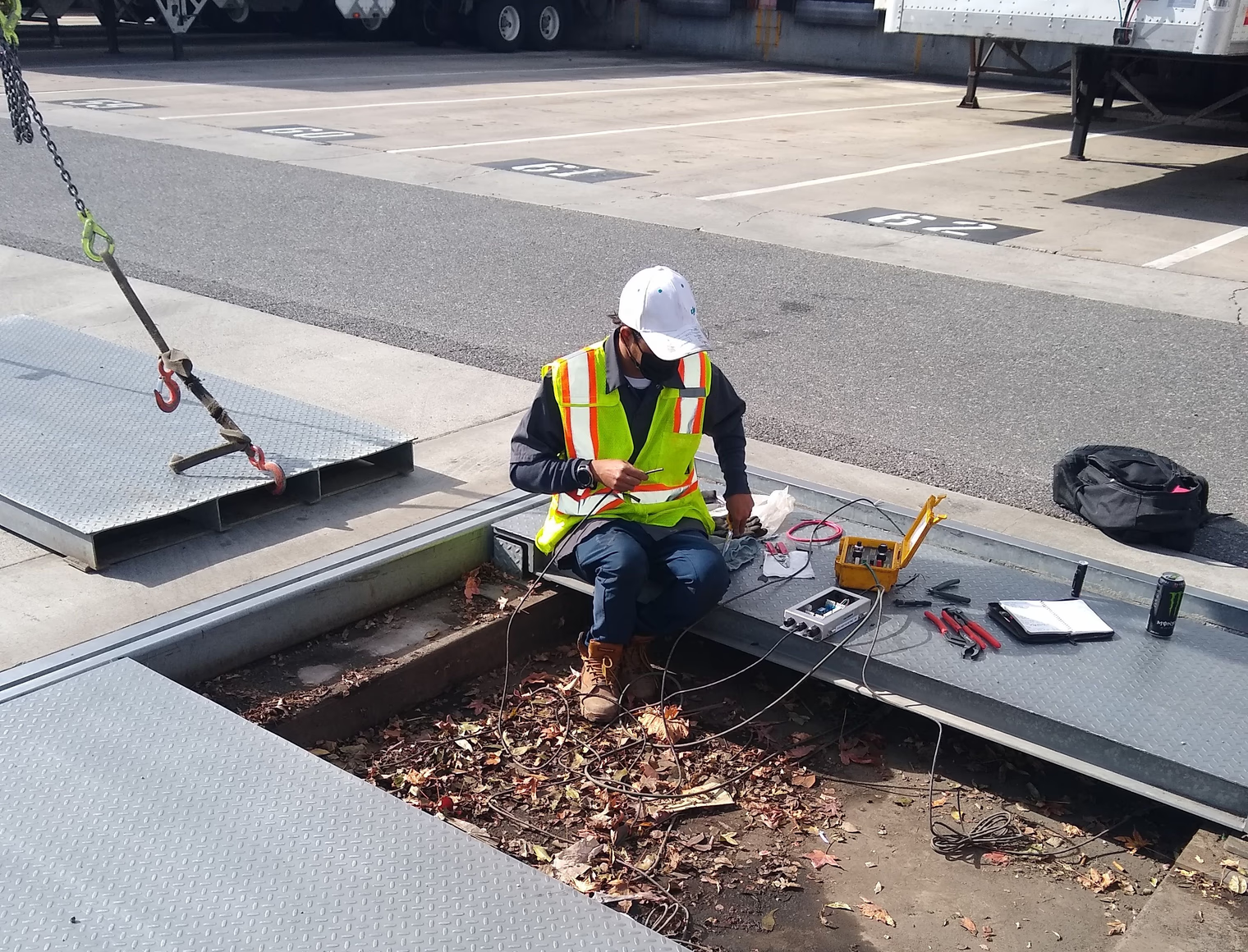
OEM Systems & Turn-Key Partnerships
Pair specialized filling, packaging, checkweighing, and OEM equipment with Michelli local technical support, calibration, installation, retrofit, and long-term service. This approach helps customers avoid the common gap between specialized machinery and the local support needed to keep it running.
Turn-key filling, packaging, in-motion checkweighing, VFFS, drum, tote, or auger systems
Pairs specialized OEM equipment with Michelli local technical support
Retrofit options may improve serviceability when existing equipment still has value
Consult Michelli for Help Choosing the Right Solution
Weighing systems are often tied directly to production, shipping, billing, quality, inventory, and uptime. Bringing Michelli in early helps customers think through the process, the equipment, the data, and the support plan before the system is locked in.
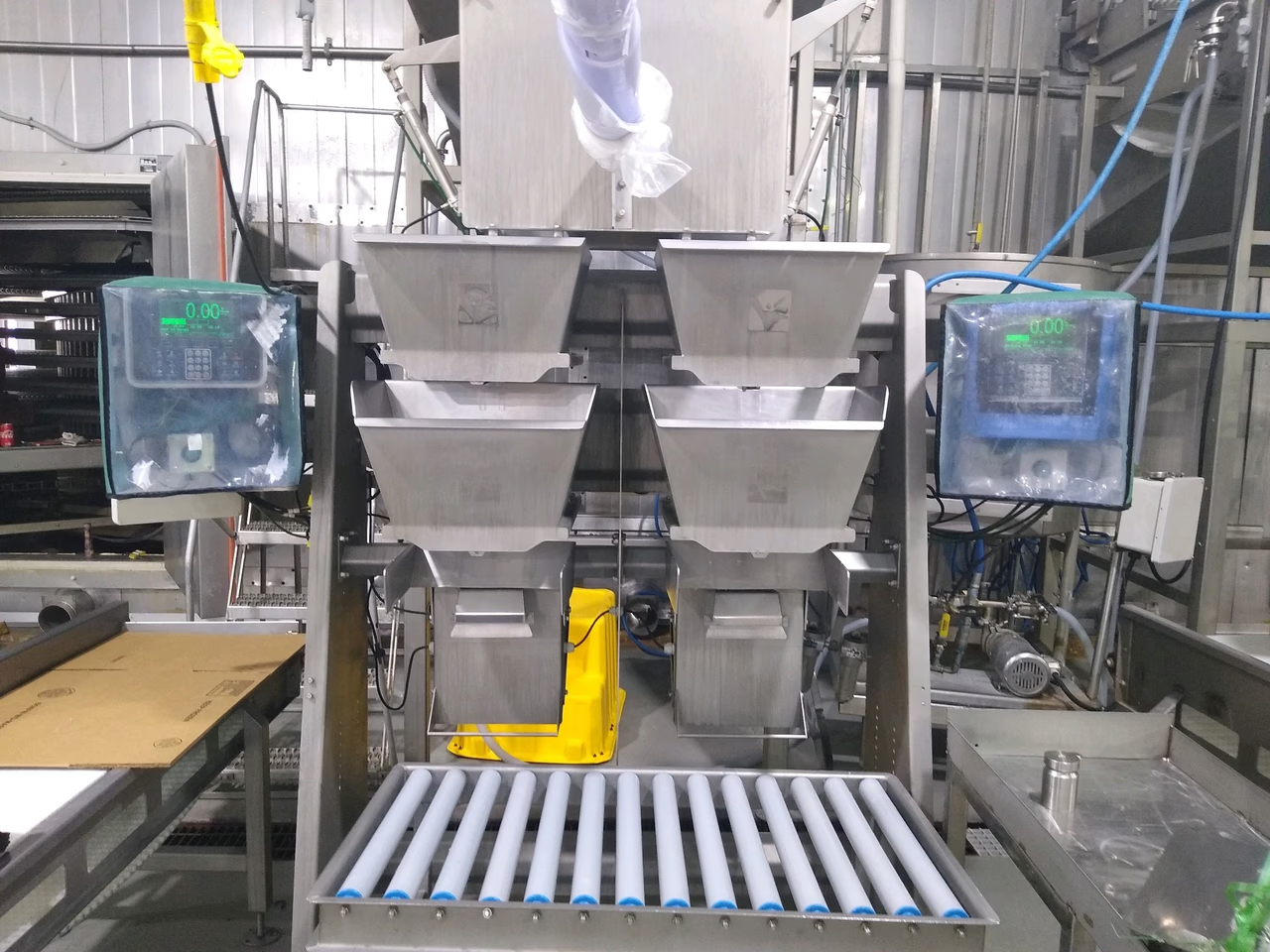
EARLY PROJECT SUPPORT
Better system decisions happen before installation.
The right weighing solution depends on how material moves, who operates the process, what must be recorded, and what happens if the system fails. Michelli helps customers evaluate those details before equipment is purchased, installed, or tied into production.
Early planning can help avoid:
Misapplied equipment that does not fit the real workflow
Manual workarounds caused by missing data or poor integration
Downtime, rework, and support gaps after startup
1
Understand the Operation
Review what is being weighed, how it moves, who operates the workflow, and where the current process creates delays, errors, or waste.
2
Identify the Risk Points
Look for overfills, underfills, bottlenecks, missing records, truck delays, inventory gaps, manual entries, or unsupported equipment.
3
Match the System
Determine whether the application needs a simple control point, retrofit, operator guidance, automation, OEM support, or deeper integration.
4
Plan the Support
Think through service, calibration, training, troubleshooting, reporting, labels, PLCs, ticketing, databases, and future system changes.
Retrofit, Integrate, or Build New
The right answer is not always a full replacement. Michelli can often help customers modernize existing weighing systems by updating controls, improving communication, adding data capture, or connecting equipment to the systems already used by the operation.
When a new system is the better path, Michelli helps match the application to the right equipment, manufacturer, integration approach, and long-term support plan.
Upgrade aging controlswhile keeping useful scale structures, hoppers, conveyors, or mechanical equipment in place where practical.
Add operational datathrough labels, scanners, reports, databases, tickets, or production records.
Connect scale datawith PLCs, networks, HMIs, SCADA systems, inventory tools, and business systems where appropriate.
Local Service and Nationwide Support for Critical Systems
A weighing system is only as reliable as the support behind it. Michelli combines application experience, service resources, calibration capabilities, and long-term support for systems that production, quality, shipping, billing, and inventory teams depend on.
Application Experience
Michelli helps customers choose and apply weighing systems based on real process needs, not just equipment specifications.
Local Service
Technicians and service resources support customers across many regions, equipment types, makes, models, and application environments.
Calibration Support
Calibration and documentation support may be available depending on equipment, location, service scope, and application requirements.
Integration Support
Michelli can support many integration paths involving scale indicators, PLCs, PCs, networks, labels, scanners, databases, and reporting tools.
Manufacturer Partnerships
For specialized equipment, Michelli can pair trusted OEM solutions with local technical support, startup help, and ongoing care.
Long-Term Support
Service, maintenance, troubleshooting, training, and support planning help keep business-critical systems dependable over time.
SOLUTION REVIEW
Talk Through Your Weighing Application
Tell us what you are trying to weigh, move, verify, fill, count, report, or control. A Michelli specialist can help identify the right solution path and determine whether your existing system can be improved, integrated, or supported.
Helpful details to share:
- Material or product type
- Manual or automated process
- Target weight or throughput
- Existing equipment
- Data, label, or ticket needs
- Service or calibration needs
Request a Solution Review
Share a few details about your application. Michelli can help route the request to the right specialist.